

From November 4 to 5, a four-member delegation from the UNESCO Teacher Education Centre (TEC)—including Professor Hu Guoyong, Deputy Director of TEC, Associate Professor Lü Jiexin, Dr. Li Ruimiao, and PhD Candidate Olga—visited Kazakhstan. They paid visits to Abai Kazakh National Pedagogical University and the UNESCO Cluster Office for Central Asia, and held talks with Kazakh National Women's Teacher Training University (KNWTTU).
Aigul Iskakova, Vice Rector of Abai Kazakh National Pedagogical University, extended a warm welcome to the TEC delegation. Founded in 1928, the university currently has over 20,000 students and maintains academic ties with more than 160 international universities. It ranks 628th in the QS World University Rankings, among the top 150 in Asia, with its education discipline ranking 86th in Asia and 1st in Kazakhstan. The university expressed its desire to sign a Memorandum of Understanding (MoU) with TEC, establishing project cooperation between its UNESCO Chair and TEC. It also hoped to cooperate with Shanghai Normal University (SHNU) at the institutional level and promote dual-degree programs at the postgraduate level when conditions are ripe.
Professor Hu Guoyong introduced TEC’s existing foundation for teacher education exchanges with Kazakhstan and the capacity-building projects co-organized with Nazarbayev University. Associate Professor Lü Jiexin presented the progress of TEC’s various projects over the past year. Professor Hu then pointed out that in the context of digital transformation represented by artificial intelligence, teacher professional development faces new challenges and opportunities, and TEC has designed and implemented a series of projects in this field. As Kazakhstan’s top pedagogical university, Abai Kazakh National Pedagogical University is an ideal partner for TEC to better address the challenges of future changes, he added.
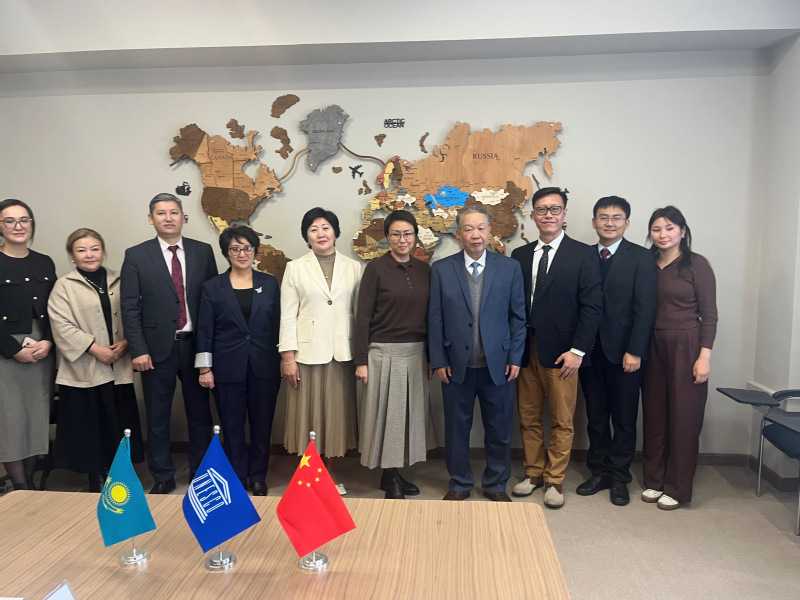
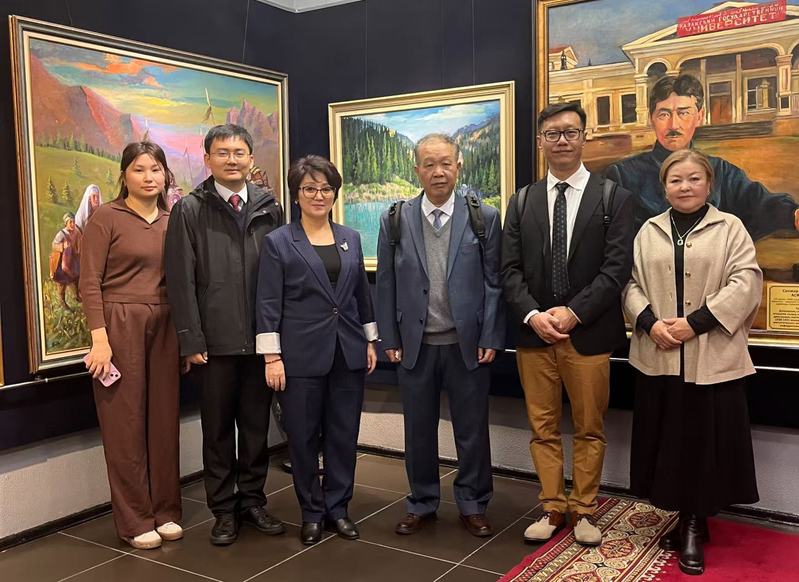
After the meeting, accompanied by Professor Aiman Berikhanova, UNESCO Chair at Abai Kazakh National Pedagogical University, the TEC delegation visited the university’s Education Museum and held in-depth exchanges with Edilbay Ospanov, Dean of the Faculty of World Languages.
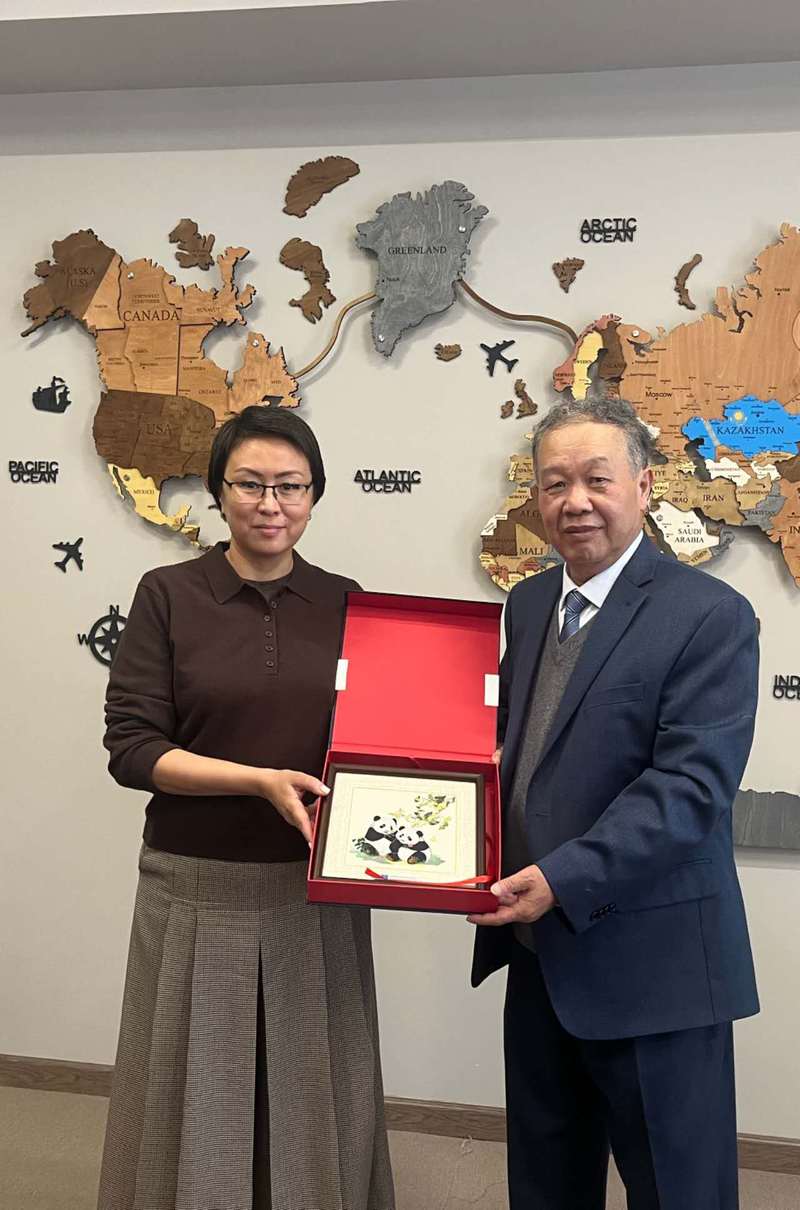
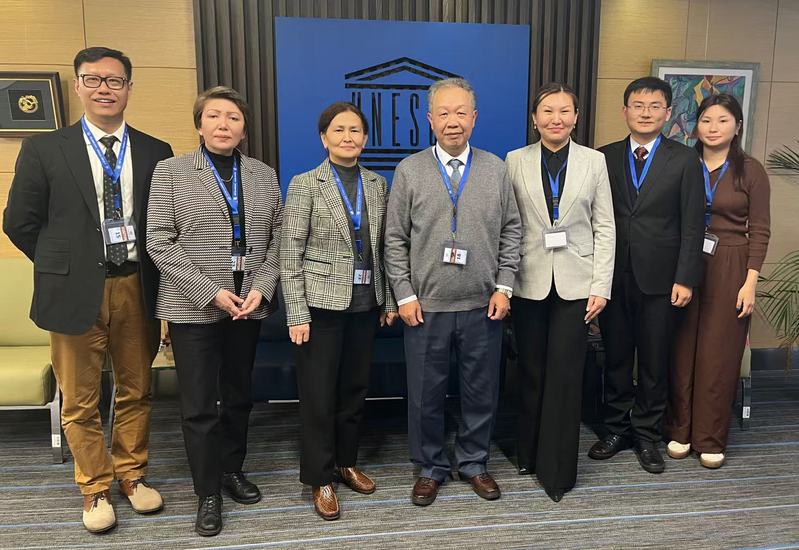
At the UNESCO Cluster Office for Central Asia, Director Nurbek Teleshaliyev welcomed Professor Hu and his team, thanked TEC for undertaking educational capacity-building projects for Central Asian countries, and introduced the office’s developments over the past year. He highlighted the rural teacher community project jointly promoted by the office and Professor David Frost, Emeritus Professor of the University of Cambridge. Professor Hu shared TEC’s experience in rural teacher training, thanked the Cluster Office for its liaison and recommendation work for the Belt and Road Exchange Project, and detailed the progject’s themes, as well as plans for a Central Asian Forum and relevant BRI exchange projects next year. The Cluster Office highly recognized the selection of the program’s themes and, from UNESCO’s perspective, expressed expectations for education for sustainable development (ESD), social and emotional learning (SEL), and AI-enabled educational development.
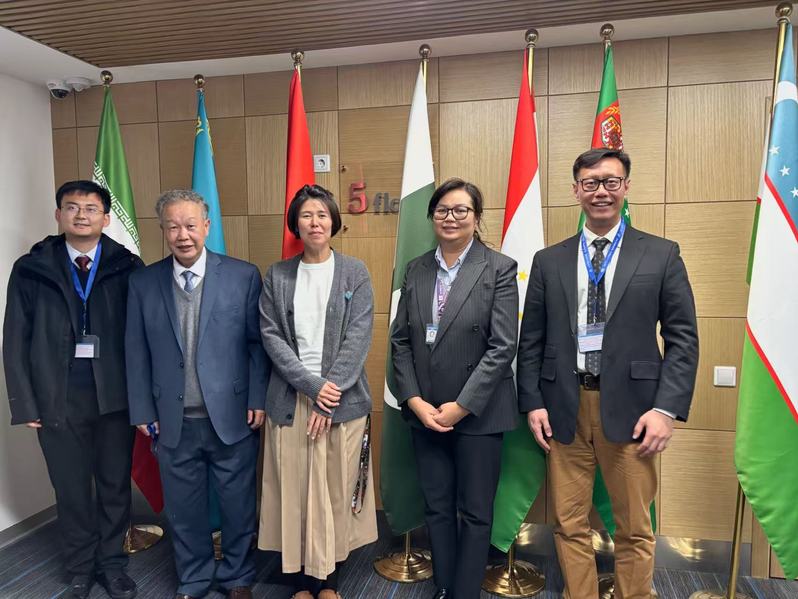
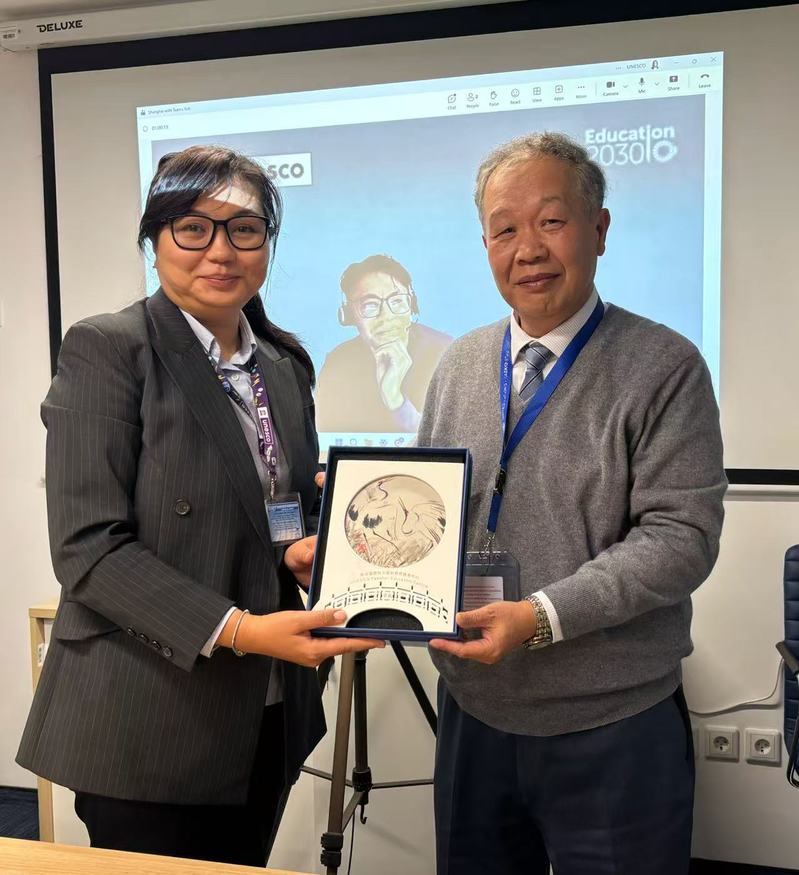
During the exchange with Kazakh National Women's Teacher Training University (KNWTTU), Professor Hu first welcomed the university to participate in the Belt and Road Exchange Project and introduced TEC’s basic profile. Dr. Saltanat Jakubayeva, Director of the International Office at KNWTTU, provided an overview of the university. Founded in 1944, KNWTTU is a public higher education institution located in Almaty, Kazakhstan. It offers undergraduate and postgraduate programs covering teacher education and related fields. As a key pedagogical university in Kazakhstan, KNWTTU is committed to cultivating female educational professionals and conducting continuous educational research. It hopes to strengthen ties with TEC and SHNU through participating in the Belt and Road Exchange Project, contributing jointly to the development of education in China and Kazakhstan.
Through this visit, TEC established connections with teacher education institutions in Kazakhstan and deepened cooperation with the UNESCO Cluster Office for Central Asia, laying a solid foundation for the vigorous development of future teacher education research and exchange cooperation in Central Asia.