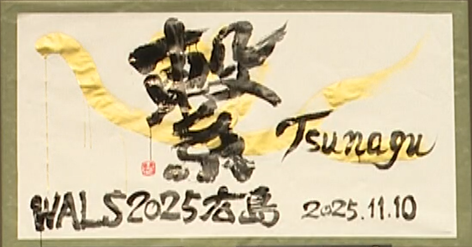


From November 10 to 12, 2025, the 2025 World Association of Lesson Studies (WALS) Conference was held at the Hiroshima International Conference Center in Japan. A total of 10 faculty and student representatives, including Professor Huang Xingfeng, Dr. Shen Yihua from the UNESCO Teacher Education Centre (TEC), PhD Candidate Zhang Yunji and Master Student Cheng Jialei from Shanghai Normal University (SHNU), attended the conference and delivered speeches. The 2025 WALS brought together scholars and education experts worldwide to conduct in-depth exchanges and discussions on the cutting-edge research topic of lesson study. The conference featured various activities such as paper presentations, roundtable discussions, poster sessions, teacher lectures, thematic seminars, and workshops, aiming to connect the past, present, and future of lesson study and learning study, promote in-depth dialogue between theory and practice, and inspire innovative research thinking.
As the moderator, Professor Huang Xingfeng presided over the thematic seminar and presentation titled "Knowledge Cross-Boundary in Cross-Cultural Lesson Study." Dr. Shen Yihua delivered an academic report titled "The Supporting Role of Knowledgeable Others in Mathematics Teachers’ Learning in Cross-Cultural Lesson Study," focusing on a cross-cultural teaching case study project carried out in Shanghai, China, and conducting an in-depth analysis of the professional growth path of Brazilian Olympic gold medal mathematics teachers. The project adopted a teaching case study cycle covering five iterative phases—"research-design-revision-implementation-reflection"—organized Brazilian teachers to systematically observe Shanghai mathematics classes, and carried out targeted analysis and discussions with the help of a classroom observation checklist independently developed by the Chinese team.
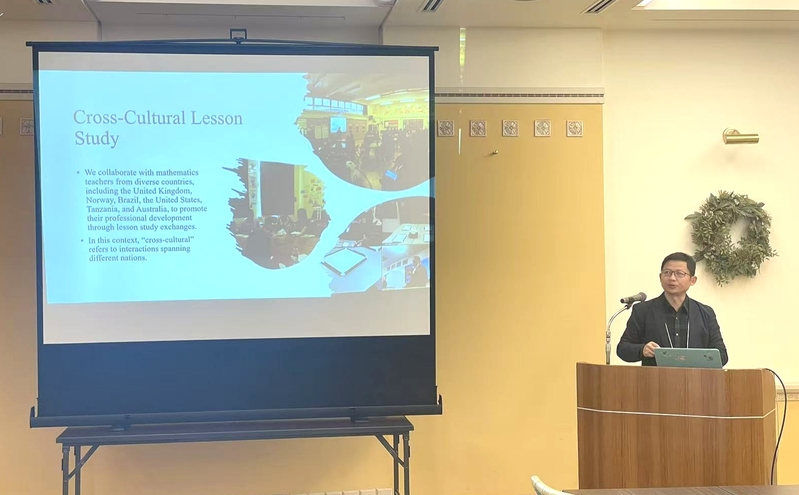

PhD Candidate Zhang Yunji gave an academic report titled "Knowledge Cross-Boundary in Cross-Cultural Lesson Study." Based on the theoretical framework of "knowledge boundary," the study explored how teachers gradually bridge the knowledge boundaries caused by cultural differences through different levels of methods by analyzing the post-class reflections of Tanzanian and Shanghai teachers. The research results highlighted the necessity of further promoting effective transformation between two different cultures and provided important references for the planning of future cross-cultural cooperation projects.

PhD Candidate Albert Kissima delivered a report titled "An Analysis of the Evolution of Mathematics Teachers’ Teaching Practices in Cross-Cultural Lesson Study from the Perspective of Variation Theory." Guided by variation theory, the study explored the changes in teaching practices of Chinese mathematics teachers in the context of cross-cultural lesson plan research, emphasizing that by identifying the "key features" of learning objects and systematically adjusting core elements, learners can be guided to grasp the essence of mathematical concepts. By recording the evolution of Chinese teachers’ teaching strategies, the study profoundly revealed how cross-cultural dialogue can effectively expand the teaching method system to promote the continuous deepening of conceptual understanding.
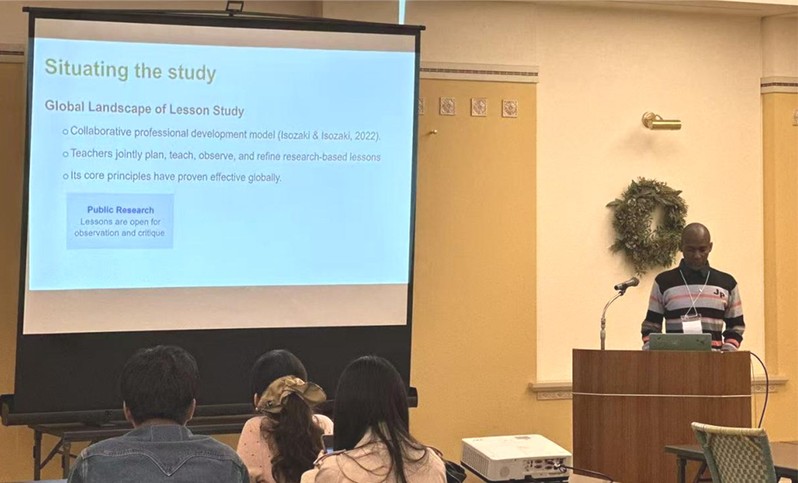
Master Student Cheng Jialei presented a report titled "Using Boundary Objects to Facilitate Teachers’ Learning in Cross-Cultural Lesson Study." The study used a five-round iteratively optimized classroom observation checklist as a boundary object to guide Chinese and Tanzanian mathematics teachers to re-examine their own teaching practices from a cultural perspective in cross-cultural lesson study. This model not only strongly impacted the existing conventional teaching methods of teachers from both sides but also promoted classroom teaching reflection and innovation while respecting and maintaining local teaching characteristics.
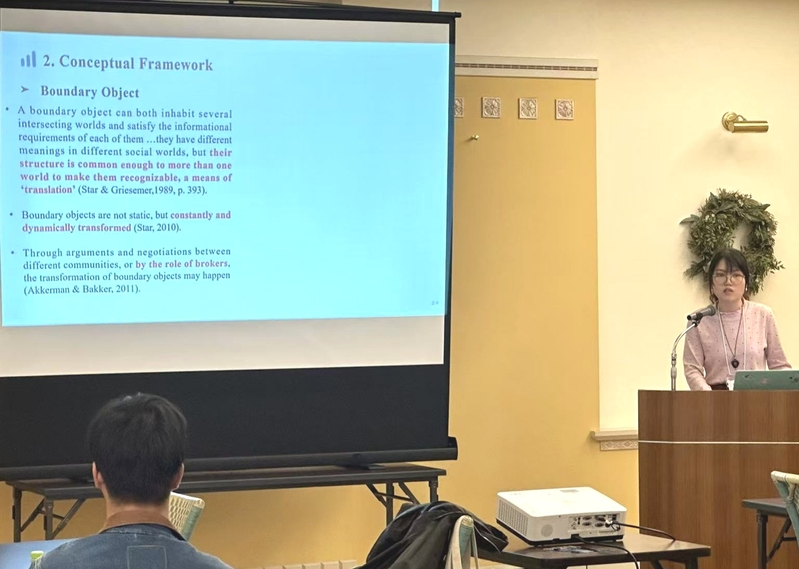
Master Student Sun Zhihua gave a report titled "The Development of Mathematics Teachers’ Didactic Practices in Cross-Cultural Lesson Study." Based on the Anthropological Theory of the Didactic (ATD), the study explored how to track the evolution of Chinese mathematics teachers’ didactic practices through an iterative cycle of "planning-teaching-reflection," thereby effectively promoting their professional development. During the lesson study process, the research team conducted collaborative observation and analysis around real classroom teaching; Chinese teachers also continuously adjusted and optimized their teaching design and classroom implementation in cross-cultural contexts to adapt to the teaching norms, student needs, and cultural perspectives of different countries.
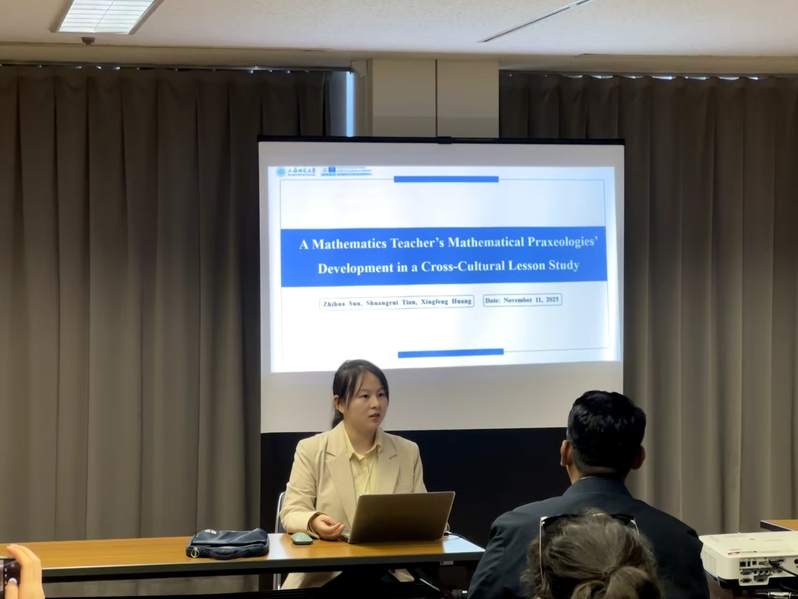
The 2025 WALS took "Tsunagu" (a Japanese term meaning "connection") as its theme, emphasizing deepening global exchanges and cooperation in lesson study and learning study through "connection." Through exchanges and presentations at the conference, TEC’s participating faculty and students shared experiences and practices in cross-cultural mathematics lesson study with researchers, university teachers, primary and secondary school principals, and frontline teachers from around the world, further deepening their understanding of educational practices in various countries.