

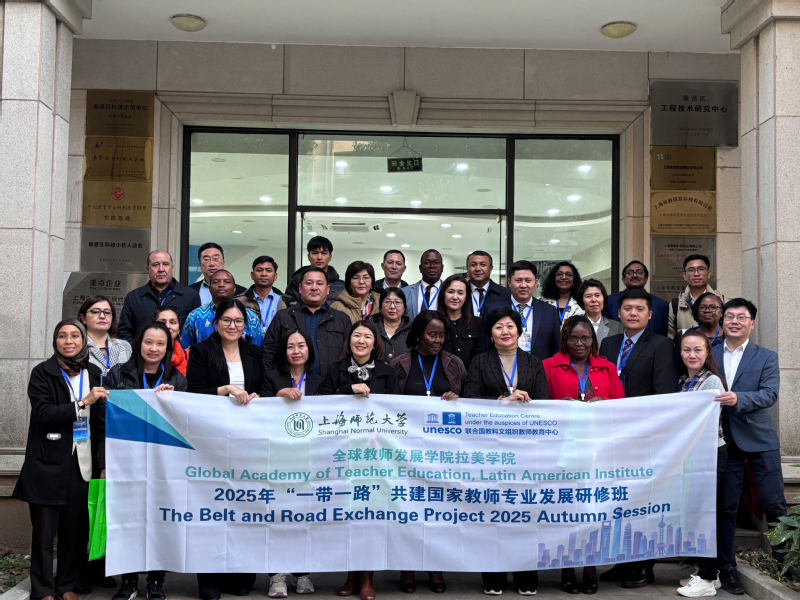
From November 27 to December 9, 2025, the Belt and Road Exchange Project 2025 Autumn Session was successfully held. Guided by the Department of Teacher Education of the Ministry of Education, the Department of International Cooperation and Exchanges of the Ministry of Education, and the Shanghai Municipal Education Commission, the project was hosted by the UNESCO Teacher Education Centre (TEC), Shanghai Normal University, and the Global Academy of Teacher Education, Latin American Institute. Taking place in both Shanghai and Ningbo, the project consisted of a series of activities including expert lectures, participant sharing sessions, and field visits. It aimed to promote the capacity building of teachers from Belt and Road Initiative (BRI) partner countries, support the reform and development of basic education in these countries, share advanced educational concepts and practical experiences, further consolidate the foundation for cooperation between China and BRI partner countries in teacher professional development, and jointly advance the sustainable development of global education. According to the project questionnaire feedback, the series of activities under this project were highly praised by all participants.
I. Expert Lectures
Lecture 1: Teacher Professional Development in Shanghai: Insights from TALIS
On the morning of November 28, Associate Professor Zhu Xiaohu from TEC delivered a keynote report titled "Teacher Professional Development in Shanghai: Insights from TALIS". He elaborated on the overview of education in Shanghai and analyzed the characteristics of Shanghai's teacher professional development system from aspects such as systematic induction training, hierarchical teaching and research networks, and teachers' career development pathways. In recent years, amid the extension of teachers' working hours, Shanghai has continuously explored AI-enabled teaching and personalized teaching approaches to maintain teachers' high teaching efficiency and professional satisfaction. During the discussion session, project participants had a lively discussion with Associate Professor Zhu Xiaohu on issues such as teachers' working hours, admission systems, and teaching preparation.
Lecture 2: Policy Evolution, Institutional Practice, and Future Development of Teacher Education in China
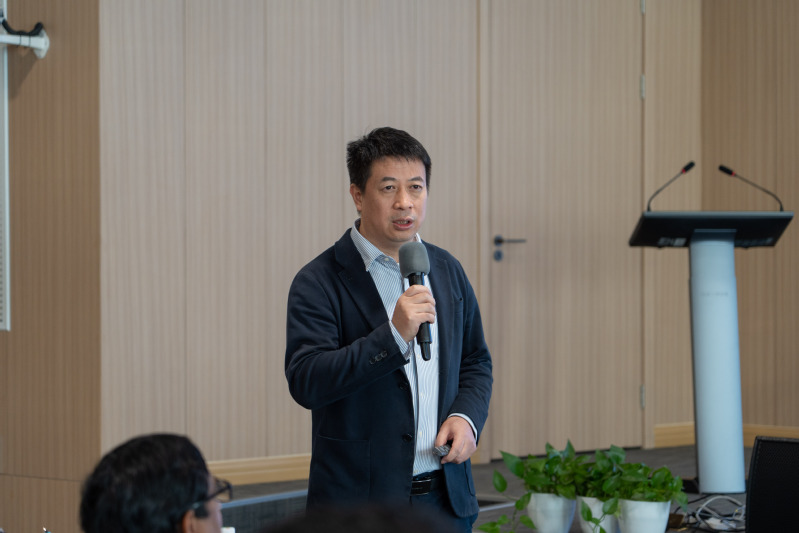
On the morning of November 29, Professor Huang Haitao, Dean of the School of Education of Shanghai Normal University, delivered a thematic speech on "Policy Evolution, Institutional Practice, and Future Development of Teacher Education in China", systematically reviewing the development context of teacher education in China. He pointed out that China's teacher education policies have gone through four key stages: constructing a normal education system in the early days of the People's Republic of China, establishing its strategic position after the reform and opening-up, moving towards openness and diversification, and finally focusing on high-quality and balanced development. This has achieved a fundamental transformation from closure to openness and from scale expansion to quality improvement.
Lecture 3: Strategies and Practices for Science Education, Teaching Research, and Teacher Professional Development
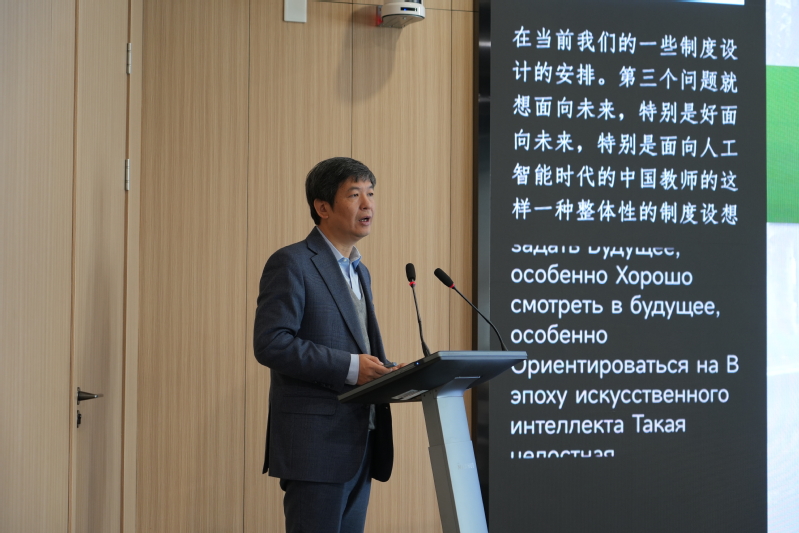
On the morning of December 1, Professor Li Hui from the College of Life Sciences of Shanghai Normal University focused on interdisciplinary educational practices and analyzed the innovative paths of STEM education from three aspects: teaching strategies, resource application, and teacher professional development. She emphasized that STEM should be deeply integrated with fields such as computer science and AI rather than simply superimposed, advocating a student-centered model that combines interdisciplinary themes with project-based learning. Taking the practices of primary and secondary schools in Shanghai as examples, the sixth-grade ecological canteen design and the seventh-grade river green water intake project guide students to achieve dual improvement in subject knowledge and practical abilities through real scenarios and soft-hard scaffolding. In addition, she proposed an experimental model of "from virtual to real", pointing out that AI should serve as a thinking and collaborative partner, providing new ideas for the professional development of pre-service teachers.
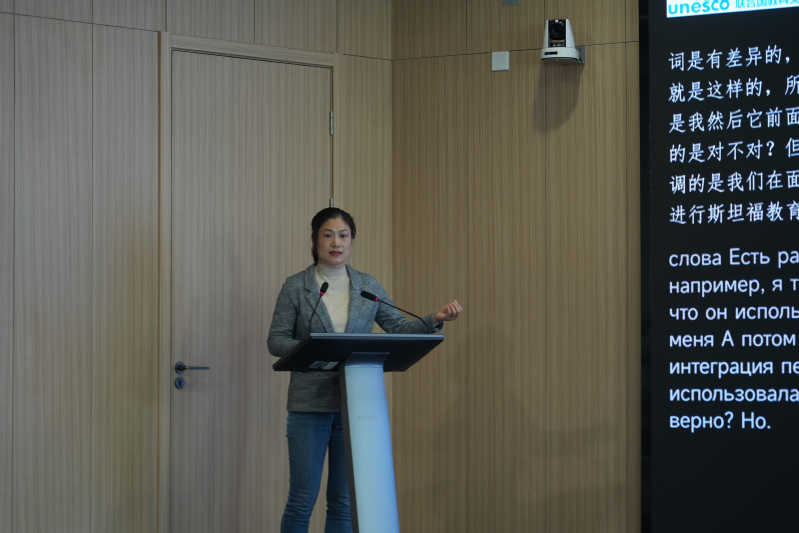
Lecture 4: Practices and Policies of Mathematics Education in China: A Case Study of Shanghai
On the morning of December 2, Professor Huang Xingfeng delivered a report titled "Practices and Policies of Mathematics Education in China: A Case Study of Shanghai". He pointed out that since 2023, Shanghai has uniformly used national supporting textbooks for mathematics teaching, emphasizing core literacy orientation, and introduced the basic concepts of Shanghai's mathematics curriculum—consolidating foundations, adapting to diverse needs, integrating technology, and valuing processes and evaluation—as well as related textbook resources. At the teacher education level, he elaborated on the curriculum structure, teaching method training, and internship mechanisms for pre-service training, as well as the institutionalized development system for in-service teachers relying on teaching and research groups and open classes. He also shared international cooperation cases such as Sino-British teacher exchanges and Tanzania-Shanghai cooperation, highlighting the role of cross-cultural research in promoting teachers' professional growth.
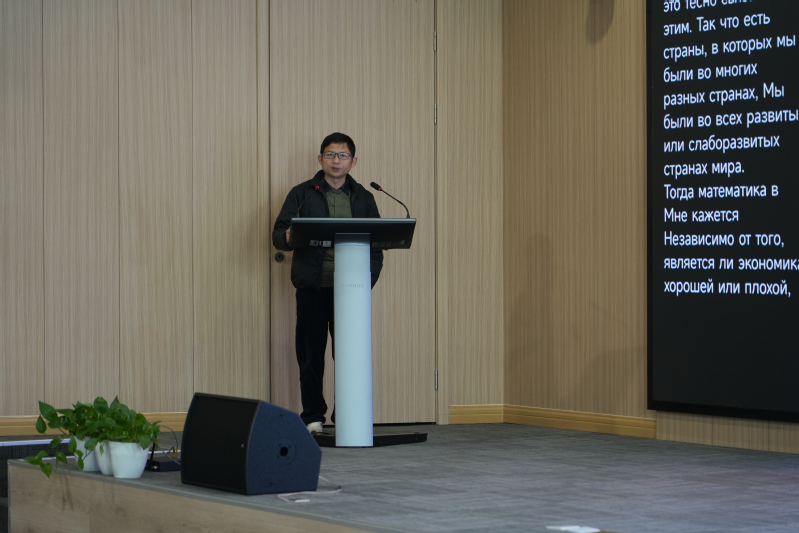
Lecture 5: Chinese Teachers' Collective Learning with Lesson Study as the Carrier
On the morning of December 3, Professor Wang Jie, Deputy Director of the International Teacher Education Centre of Shanghai Normal University, elaborated on lesson study, the core carrier of teachers' collective learning. She first pointed out the pain points in teachers' professional development: easy forgetting of classroom experiences, incorrect memory of teaching interactions, thinking inertia, and loss of reform motivation due to nostalgia. She then clarified the connotation of lesson study: transforming classroom experiences into "artifacts" that can be collectively observed and discussed (i.e., lesson study). Taking the teaching of "mental arithmetic of two-digit subtraction within 100" in large primary school classes (35-40 students) in Shanghai as an example, its core goal is to promote effective communication among students, ensuring both calculation accuracy and mutual exchange of algorithmic ideas. It is through collective lesson study that teachers achieve collective improvement in professional capabilities.
II. Participant Sharing
1.Strengthening the Foundation of Quality Education: Teacher Training Reform in Cambodia
Mr. Mon Munint, Director of the Teacher Education Department of the Ministry of Education, Youth and Sport of Cambodia, introduced that Cambodia has systematically improved the quality of its teaching workforce by formulating a teacher policy action plan and professional standards, raising teacher qualification thresholds and salaries, and building smart classrooms and other facilities. Going forward, Cambodia will further deepen the reform of normal universities, align with PISA standards, and promote educational digitalization to lay a solid talent foundation for national development.
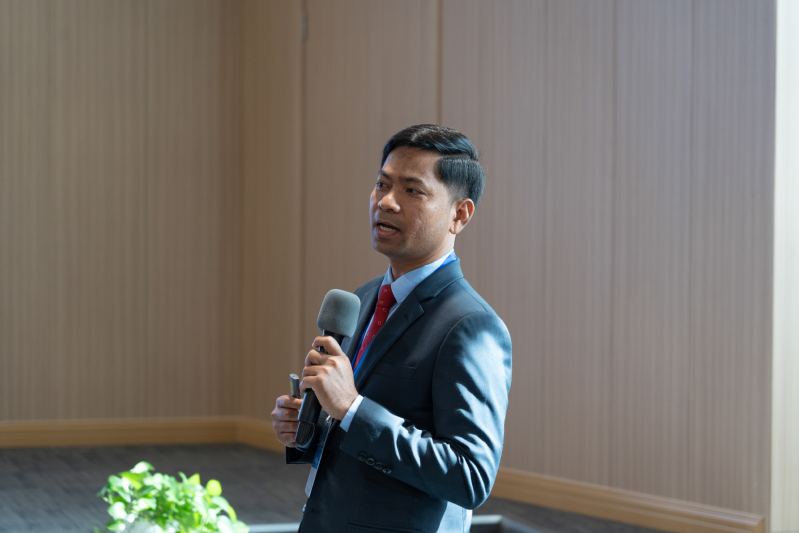
2.Supporting Teacher Professional Development in Central Asia, Iran, and Pakistan
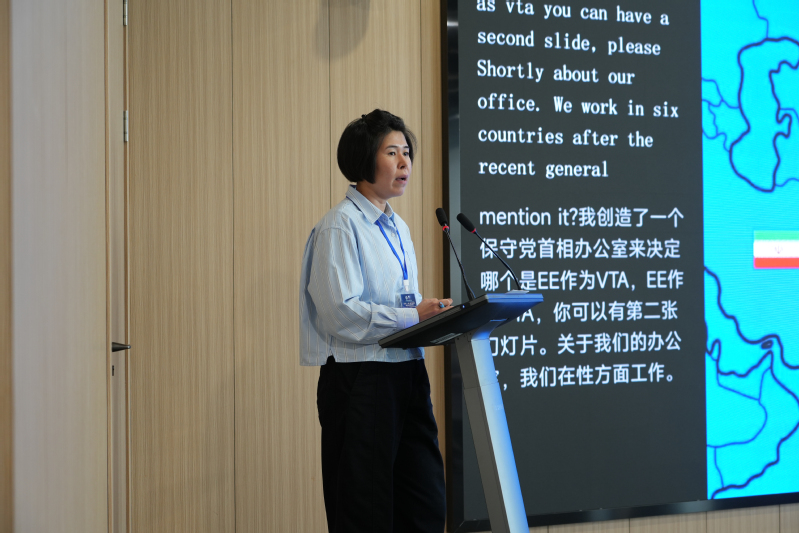
Ms. Dinara Tuyakova, Programme Officer of the UNESCO Office in Almaty, focused her speech on Central Asia, Iran, and Pakistan. She highlighted the region's focus on supporting teacher development to promote transformative learning and social transformation, closely aligning with SDG 4 and emphasizing the key value of Education for Sustainable Development (ESD) and Global Citizenship Education (GCED). The speech introduced the five priority areas of UNESCO's Roadmap for Education for Sustainable Development 2030 and showcased practical initiatives such as developing ESD teacher handbooks, organizing regional curriculum competitions, building thematic resource portals, and implementing support for remote schools and gender equality training. These efforts aim to empower teachers as core drivers of educational change and practice the concept of "leaving no one behind".
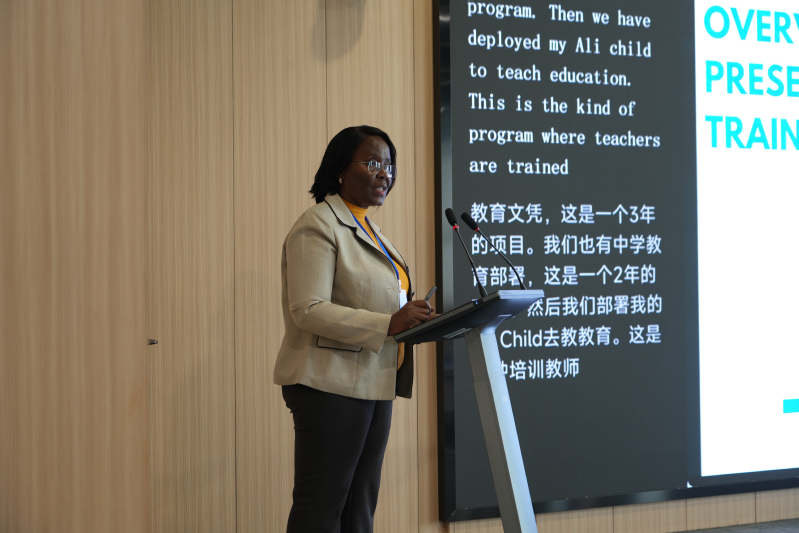
3.Cultivating Future Educators: A Comprehensive Overview of Pre-Service Teacher Education in Kenya
Ms. Nelly Anne Were Otube, Deputy Dean of the School of Education and Lifelong Learning at Kenyatta University in Kenya, introduced Kenya's pre-service teacher education system and reforms. To adapt to the 2017 "competency-based curriculum" that emphasizes critical thinking and practical skills, the country is advancing the transformation of teacher education towards "competency-based teacher education". Specific reforms include upgrading the qualification requirements for early childhood and primary school teachers to diploma level, unifying curricula, raising admission standards, and strengthening student-centered teaching methods. These reforms have achieved results such as increased enrollment in relevant training programs and optimized student-teacher ratios. In the future, Kenya will continue to improve curricula and standards to build a high-quality teacher education system.
4.Teacher Education Reform in Thailand: Enhancing Student Academic Achievement through Critical Analysis
Ms. Phattharamanat Sritrakul, Lecturer at Chiang Mai University in Thailand, critically analyzed the root causes of declining student performance in Thailand: weak performance in core competencies such as mathematics, and a downward trend in mathematics, science, and reading literacy. The main issues include teacher shortages (64% of primary schools are understaffed), uneven urban-rural resource distribution, and outdated teaching methods. To address these challenges, local authorities have introduced new teacher education curriculum standards, strengthened professional practice requirements (including no less than one academic year of full-time internship with supporting training supervision). However, the reform faces challenges such as policy unsustainability and fragmented governance. Future efforts will focus on teaching leadership and matching supply with demand to improve quality.
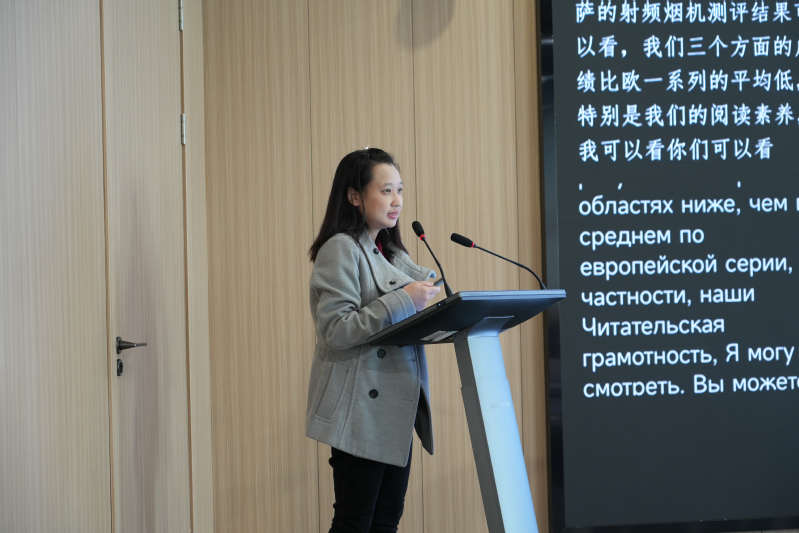
5.The Role of Continuous Professional Development of STEM Teachers in Kyrgyzstan in Achieving Sustainable Development Goal 4
Ms. Anipa Usupkozhoeva, Dean of the Kyrgyz-German Technical Faculty at the I. Razzakov Kyrgyz National Technical University in Kyrgyzstan, stated that the continuous professional development of STEM teachers is crucial for achieving SDG 4 (Quality Education) in her country. Although Kyrgyzstan has a high enrollment rate, the quality of STEM education is a concern, with over 80% of students failing to reach basic levels in mathematics and science in PISA assessments. Teacher training also faces issues such as low coverage (only 30% participation), vague content, and significant urban-rural and gender gaps. To address these, she emphasized the need to strengthen modern teaching methods, gender-sensitive strategies, and digital skills training, set clear indicators, and call for multi-stakeholder cooperation to improve learning outcomes, narrow gaps, and ensure quality STEM education.
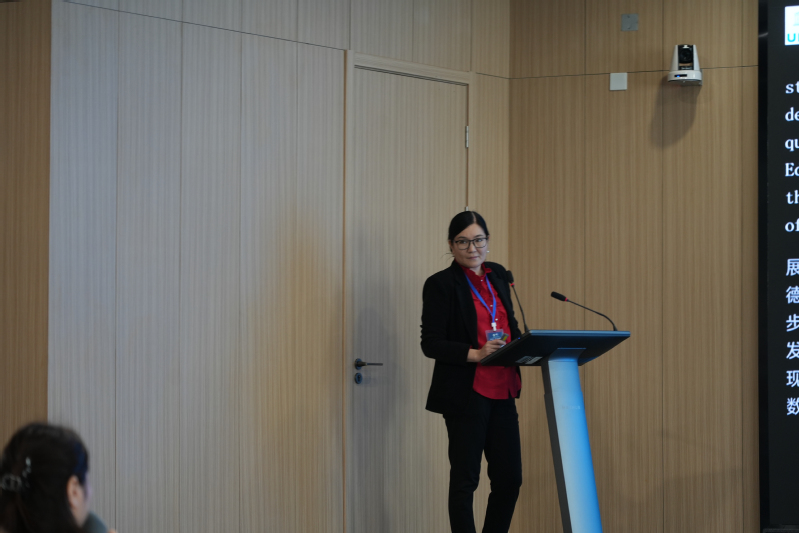
6.Best Practices in Teacher Education and Professional Practice at Universitas Negeri Jakarta
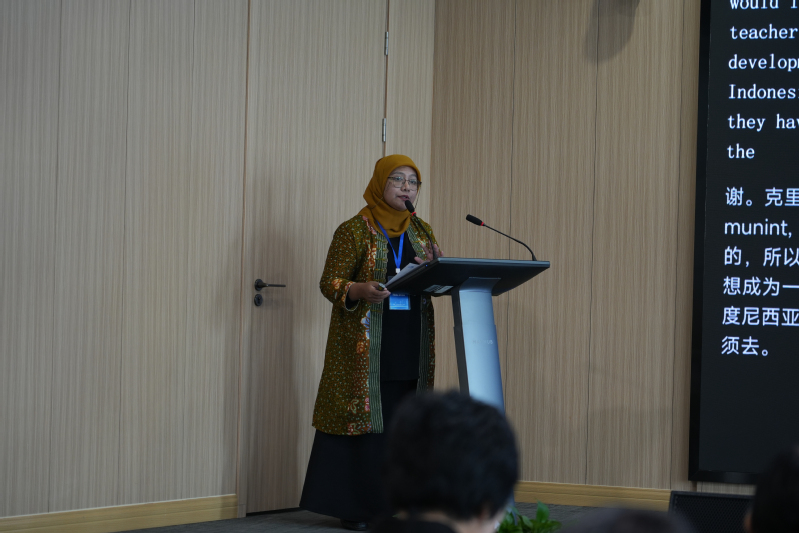
Ms. Mutia Delina, Head of International Cooperation Affairs at the Office of International Affairs of Universitas Negeri Jakarta in Indonesia, focused on best practices in teacher training in Indonesia, highlighting the university's important role in the national teacher education system. Indonesian teachers are required to complete a bachelor's degree in education at designated normal universities such as Universitas Negeri Jakarta. After obtaining the bachelor's degree, pre-service and in-service teachers must participate in teacher professional training programs to obtain certification.
7.Normal Education: Challenges and Prospects
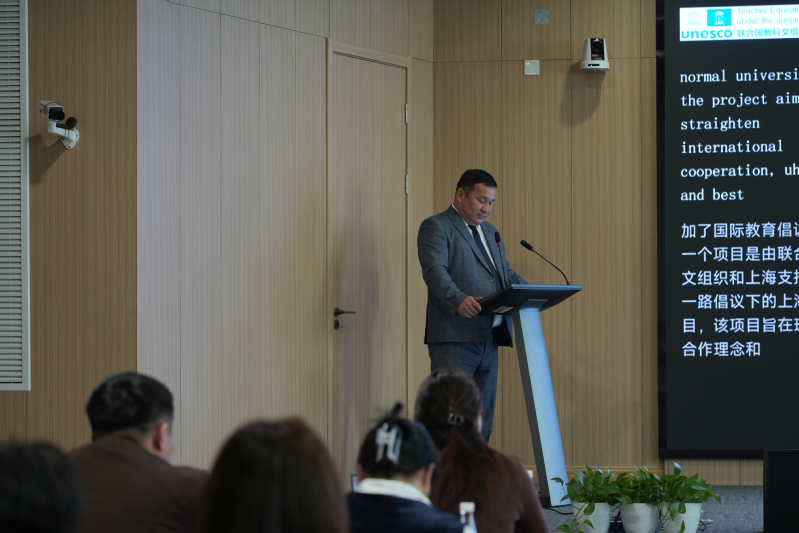
Mr. Nazhmiden Nuralin, Head of the Industry Department of the Aktobe Regional Department of Education in Kazakhstan, systematically elaborated on the region's strategies for teacher workforce development in the context of sustainable development. He noted that the Shanghai exchange project under the BRI framework has provided an excellent international exchange platform for educators. Eighty-five percent of the 23,000 educators in the region have high academic qualifications, and educational leaders are nurtured through a new certification system, with the government providing policy guarantees such as housing and salary benefits. In addition, the region is promoting digitalization through the "Ustaz" platform but faces challenges such as digital transformation and rural teacher shortages. In the future, it will rely on digitalization and international integration to cultivate new-type teachers.
8.Improving the Continuous Professional Development System for Pre-School and K-12 Education Practitioners
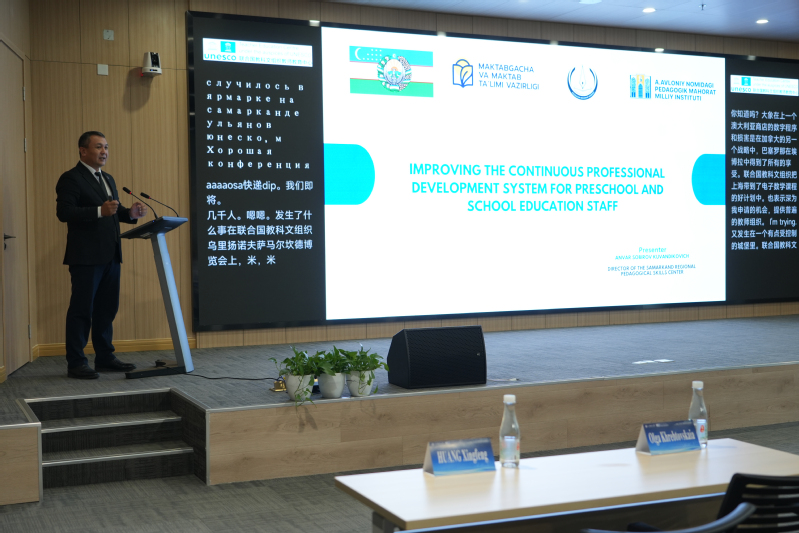
Mr. Anvar Kuvandikovich Sobirov, Director of the Samarkand Regional Centre for Educational Skills in Kazakhstan, emphasized the core position of education in the national strategy of New Uzbekistan, introduced the important role of the Law on the Status of Teachers in enhancing the professional attractiveness of teachers in his country, and shared initiatives to modernize schools, improve teacher standards, and implement a vertical teacher professional development system.
9.Non-Formal Teacher Education in Malaysia: Beyond Pre-Service and In-Service Teacher Training
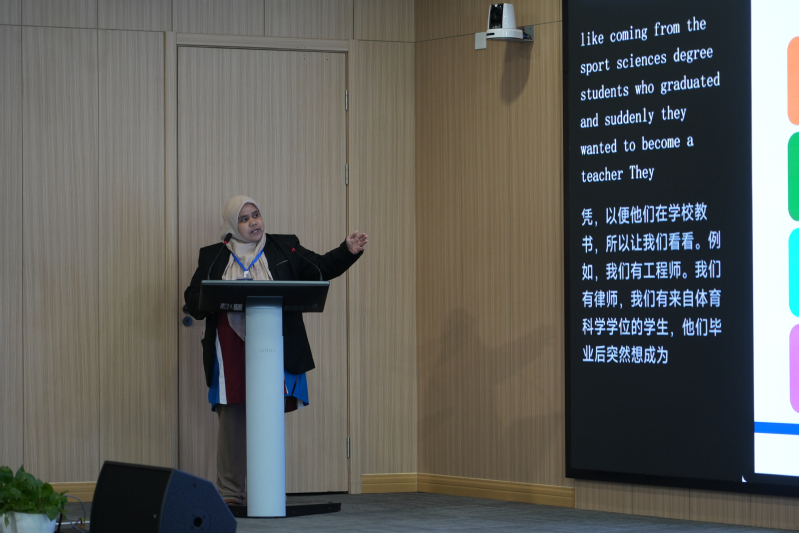
Professor Mas Sahidayana binti Mohktar, Director of the STEM Centre at the University of Malaya in Malaysia, introduced the STEM Centre's functions since 2018 in promoting STEM education and coordinating government-industry-university cooperation. She reviewed Malaysia's formal teacher education system and detailed the non-formal education's comprehensive STEM modules, digital AI competency training, and interdisciplinary team teaching models. She also explained the core of integrated STEM-TVET training, shared teachers' digital innovation practices, and emphasized the key role of multi-stakeholder collaboration in improving the non-formal training system.
10.Teacher Professional Development in Kenya: Current Status, Policies, Challenges, and Future Directions
Mr. Samwel Mukirae Njihia, Head of the Department of Educational Management, Policy and Curriculum Studies at the School of Education and Lifelong Learning of Kenyatta University in Kenya, introduced Kenya's national overview and education system, reviewed the current types of in-service training in Kenya (including voluntary further education, short-term thematic training, and programs jointly provided by various government agencies and universities), and analyzed prominent issues such as fragmented training, mismatched supply and demand, and limited coverage. He further introduced the national policy system for promoting teacher professional development in recent years and concluded that it is necessary to strengthen teacher communication, expand stakeholder participation, and build consensus on key controversies.
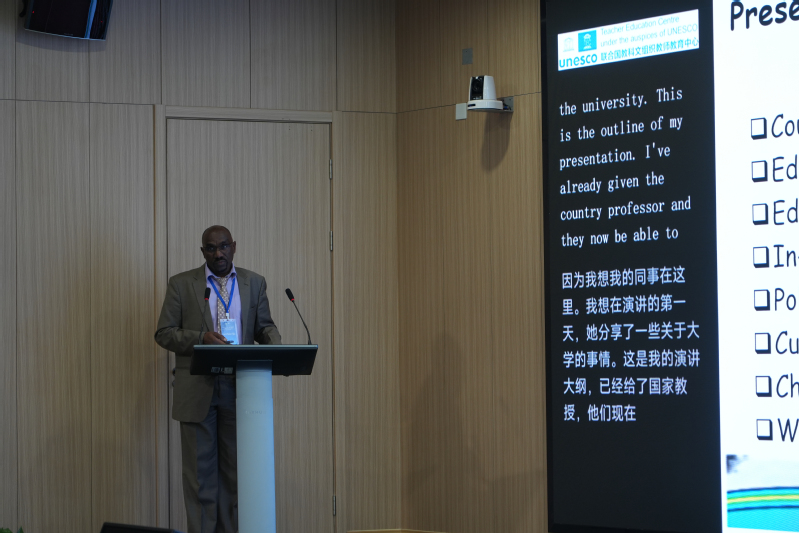
11.Kazakhstan's Teacher Training System — A Case Study of Abai Kazakh National Pedagogical University
Ms. Zhanna Zhussupova, Academic Secretary of the Republican Educational Methodology Council at Abai Kazakh National Pedagogical University in Kazakhstan, introduced global trends in education development and the trends and challenges of Kazakhstan's teacher education system. She showcased key achievements in Kazakhstan's higher and postgraduate education, focusing on Abai Kazakh National Pedagogical University. She detailed its founding history (established in 1928 with over 95 years of educational experience), vision and mission, departmental structure, student and faculty scale, high employment rate, and international cooperation achievements, comprehensively demonstrating the development status, characteristic initiatives of Kazakhstan's teacher training system, and the university's leading role in it.
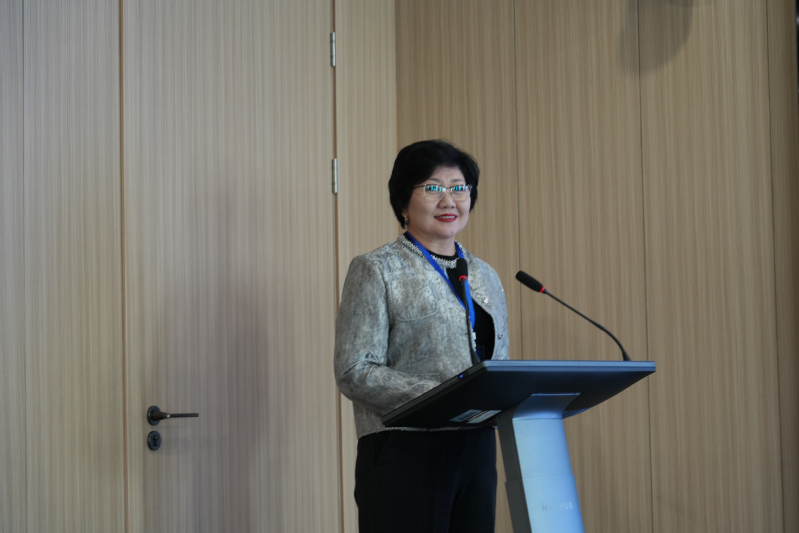
12.In-Service Teacher Professional Development in Cambodia: Progress, Challenges, and Future Directions
Ms. Sivy Hor, Deputy Director of the Secretariat of the General Directorate of Teacher Education and Development of the Ministry of Education, Youth and Sport of Cambodia, systematically shared the overall picture of teacher professional development in Cambodia. The core goal of the country's education development is to build a knowledge-based society. She introduced progress such as establishing a national Continuous Professional Development (CPD) system for teachers and allocating special budgets to support teachers' participation in professional learning. She also frankly analyzed existing challenges, such as the low compliance rate of teacher qualifications and insufficient induction training, and proposed targeted strategies including promoting inclusive programs, enhancing digital inclusion, improving monitoring and evaluation systems, and increasing investment in ICT infrastructure.
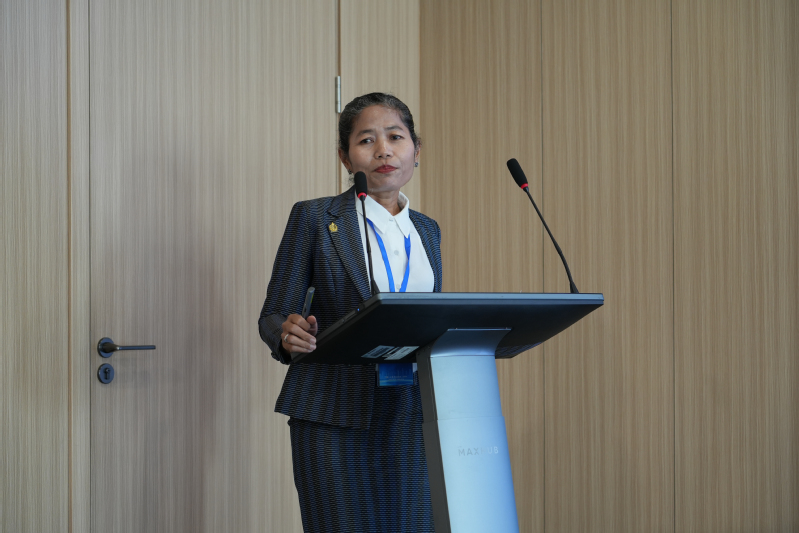
13.Teacher Professional Development in Thailand's Public and Private Education Systems
Ms. Paritchaya Weerachirakul, Principal of Bansomdej School in Chiang Mai, Thailand, shared insights on teacher professional development in Thai public schools, introducing the relevant management system, teacher admission, and promotion mechanisms. Teacher development in Thailand is managed by multiple institutions under the Ministry of Education. Teachers are required to graduate from education-related majors and pass qualification exams. After employment, they can be promoted by professional rank after two years of evaluation, which requires submitting teaching plans, teaching videos, and other achievements through the online DPA (Teachers do their own performance agreement) system. Schools provide support through mentoring pairs and professional learning communities, but need to adapt professional development programs for teachers in schools of different sizes (large urban schools and small rural schools). Mr. Sitthidet Pannitipong, Principal of ThapnaREE School in Phrae Province, focused on teacher professional development in Thai private schools, sharing policy orientations, recruitment and certification, development models, curriculum differences, and educational outcomes. The number of private schools in Thailand (especially English-medium and international schools) has continued to grow. Although government subsidies are lower than those for public schools, they have effectively reduced the government's financial burden. Teachers can enter the profession through two paths: "certified entry" or "on-the-job training and certification". They improve their abilities through 30-60 hours of school-based training per year (including classroom observation and lesson study), which is both flexible and targeted.
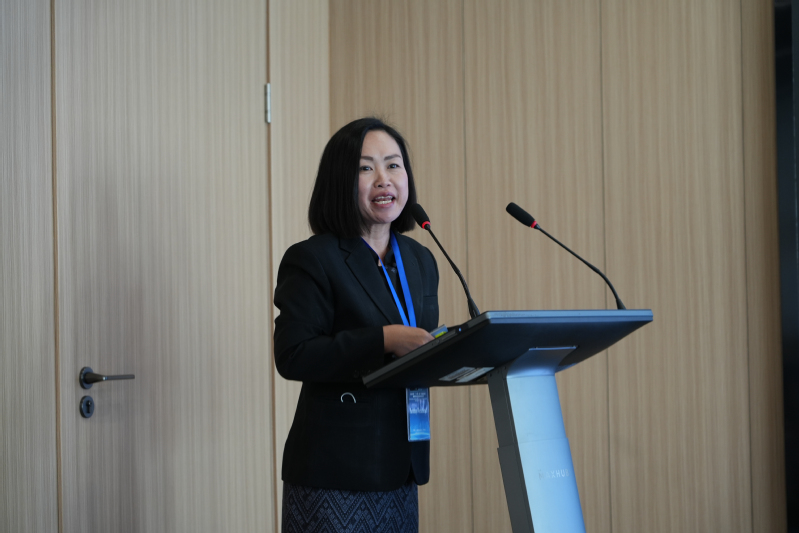
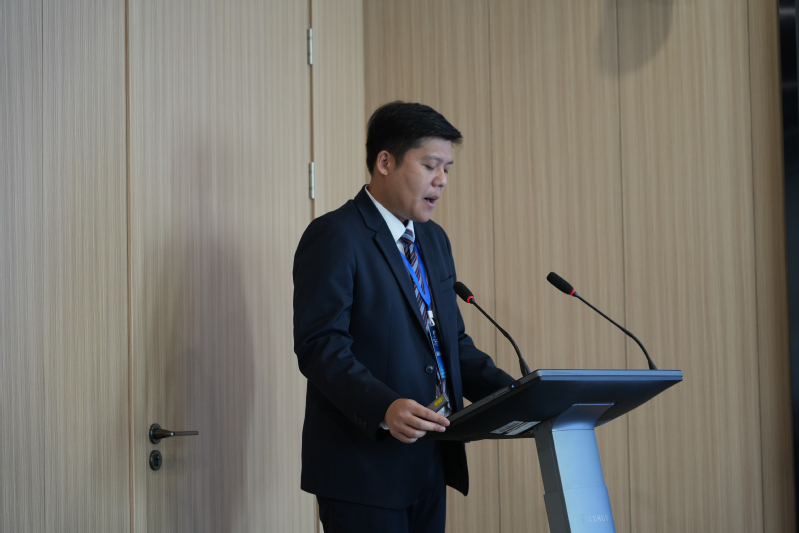
14.Pre-Service Teacher Education for Primary and Secondary Schools in Malawi
Mr. Thununu Mafuleka, Senior Education Officer of the Teacher Education and Development Division of the Ministry of Education and Science of Malawi, systematically introduced Malawi's national and educational overview, the history of teacher education development, the implementation of pre-service teacher education for primary and secondary schools, quality assurance mechanisms, and analyzed existing gaps such as insufficient infrastructure and resources, limited ICT application, and inconsistent supervision. He elaborated on major reform initiatives such as standardized curricula and national teacher education standards, as well as future plans including a primary school teacher academic upgrading program to be launched in 2026 and the transformation towards core literacy education. He pointed out the need to increase investment in open and distance education programs and infrastructure, and proposed potential international cooperation areas such as tablet-based teaching, academic upgrading, and STEM education support, hoping to help Malawi achieve its teacher workforce goals by 2030 and meet educational development needs.
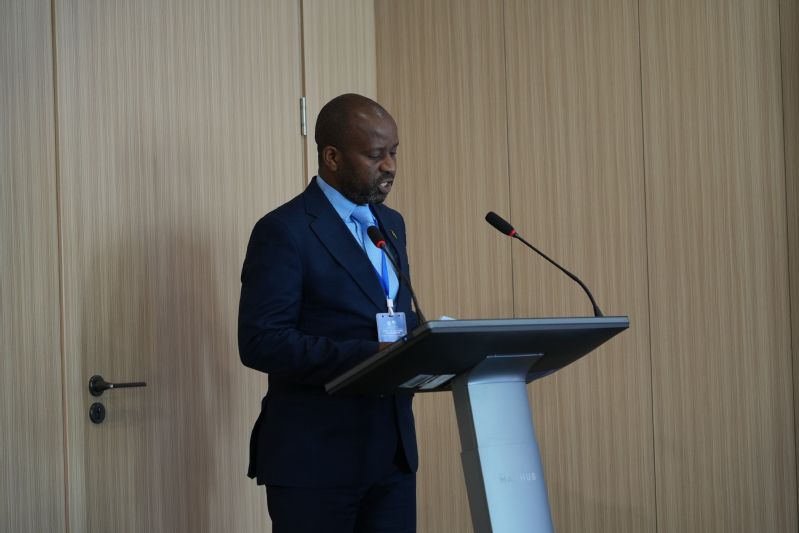
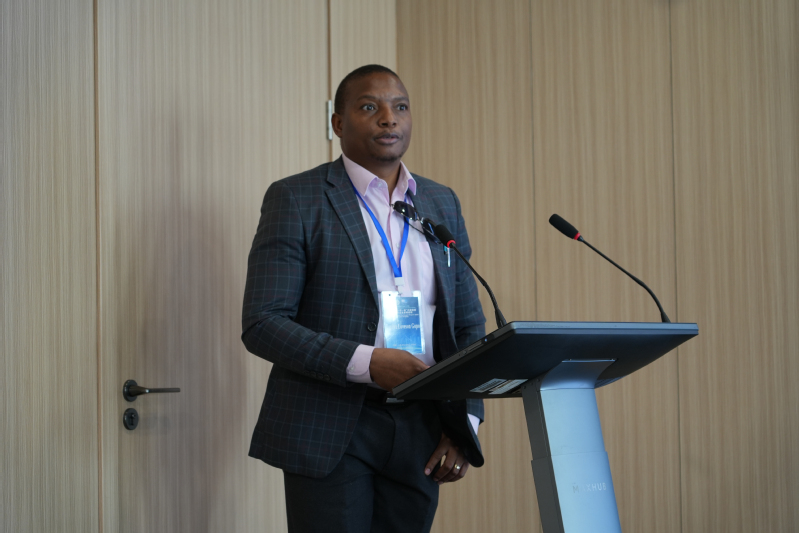
15.Teacher Education in Zimbabwe: Historical Foundations, Current Status, and Future Paths
Mr. Tapiwa Loveson Gopo, Lecturer at the University of Zimbabwe, reviewed the development history of teacher education in Zimbabwe: the colonial period (1890-1980) was characterized by racial segregation, with training focusing on basic teaching skills and serving colonial needs; the transitional period after independence (1980-2000) saw vigorous expansion of the teacher workforce, the implementation of a three-year diploma program, curriculum localization, and an emphasis on professionalization; since 2000, it has moved towards modernization and professional standardization, introducing core literacy training, open and distance education models. He introduced that Zimbabwe's current teacher education system includes three main entities: normal colleges, universities, and distance learning institutions, adopting synchronous and continuous training models, emphasizing learner-centered teaching methods, and with multiple institutions responsible for quality assurance. He also raised challenges such as insufficient funding and infrastructure, teacher attrition, and brain drain, calling for multi-stakeholder collaboration among policymakers and international partners to address the educational crisis and help Zimbabwe achieve its 2030 vision.
III. Field Visits
1.Shanghai Edutech Co., Ltd.
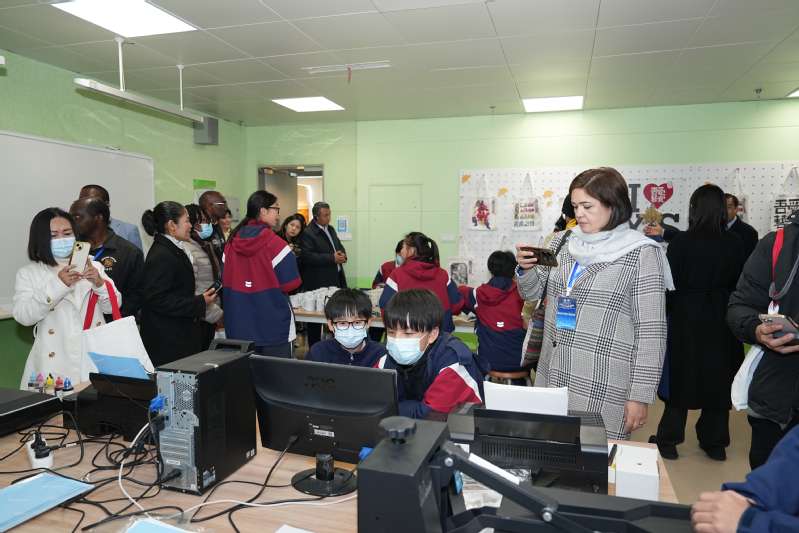
On the afternoon of November 28, the project team visited Shanghai Edutech Co., Ltd., immersively experiencing the company's future school series products. In the future school exhibition hall, the company team warmly received the visiting members, providing a comprehensive and detailed introduction to the company's development history, honorary qualifications, core business layout, and product R&D achievements. Project participants gained an in-depth understanding of the functional highlights of multiple core products: the smart IoT blackboard independently developed by Shanghai Edutech Co., Ltd., which combines digital writing and diverse teaching tools; the AI smart classroom that enables high-quality non-inductive sound amplification; and the full-function smart classroom that fully supports diverse teaching models such as seminar-based teaching, interactive teaching, and blended teaching. During the hands-on experience, members highly praised the innovative advantages and mature application performance of these intelligent classroom products.

2.Haizhihua Youth Activity Center at Fengxian District
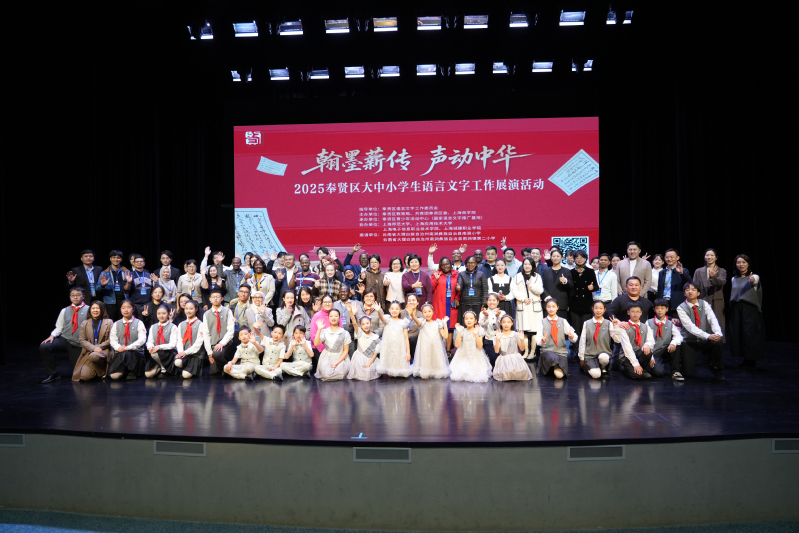
On the afternoon of November 29, the project team visited the Haizhihua Youth Activity Center at Fengxian District. At the beginning of the activity, members systematically learned about the centre's educational positioning, curriculum system construction, and characteristic educational achievements through a thematic introduction. During the immersive observation session, the rich and diverse activities fascinated everyone: in the Whale Theatre, a recitation performance showcased the profound charm of Chinese language and culture; at the community activity site, characteristic courses such as chorus, piano, sand painting, paper tearing, and natural water features were brilliant; in front of the "integration of university, middle and primary school" calligraphy exhibition, members stopped to appreciate and feel the cultural heritage in the brush and ink; the technology-empowered educational experience created by the dome theater allowed everyone to intuitively appreciate the infinite potential of the in-depth integration of modern educational technology and teaching practice. At the end of the activity, project participants created paper tearing works under the careful guidance of intangible cultural heritage inheritors, immersively experiencing the "paper tearing" craft.

3.The Affiliated Primary School of Shanghai No. 2 Normal School
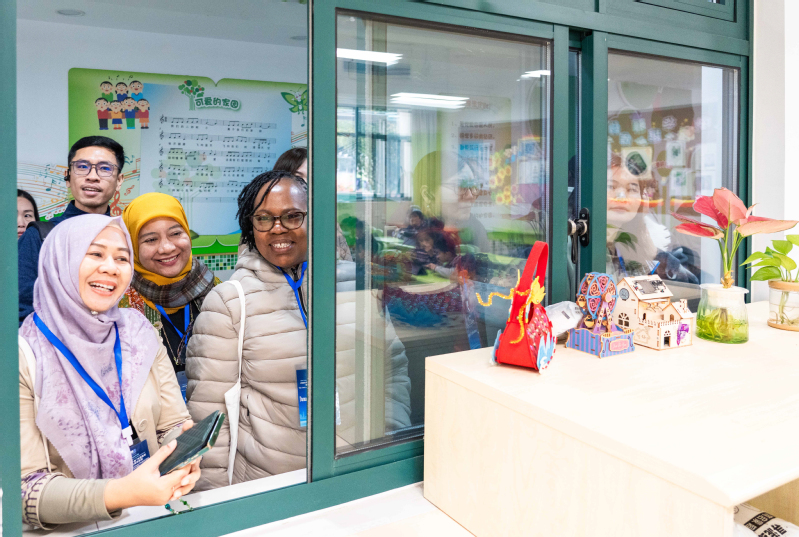
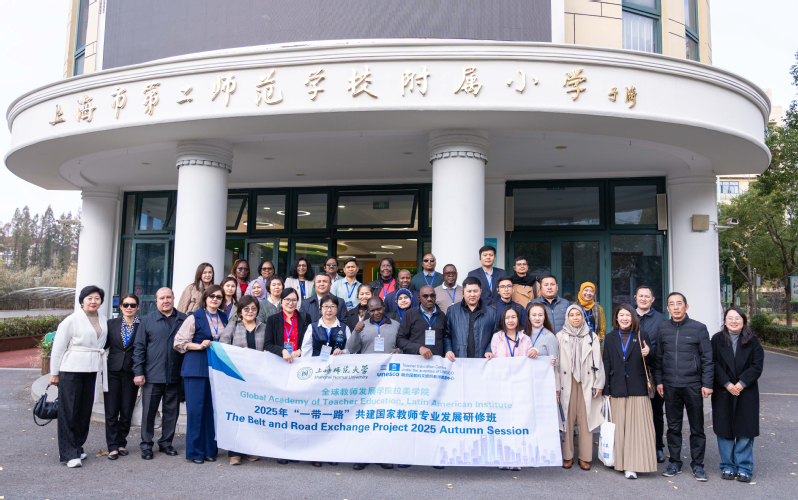
On the afternoon of December 1, project participants visited The Affiliated Primary School of Shanghai No. 2 Normal School. In the smart hall, they listened to a detailed introduction to the school's development history, educational philosophy, and core advantages. Subsequently, members visited the school's modern classroom infrastructure and characteristic functional venues in an immersive manner, and also attended a carefully designed school-based curriculum on site, intuitively feeling the vivid atmosphere of classroom teaching and the characteristics of education. Entering the Lele Tea Culture Hall on the second floor of the school, the school leaders warmly welcomed the arrival of the project team and shared the overall planning and practical experience of the school's curriculum construction with Chinese and foreign educational colleagues. Immediately afterwards, teachers and students of the school jointly presented a distinctive tea culture course taught in English. During the exchange session, project participants had in-depth discussions with teachers of the school on topics such as curriculum design, school scale, and characteristic development, actively sharing educational experience and exchanging insights, creating a warm and harmonious atmosphere.
4.Shanghai Jincai Experimental Middle School
On the afternoon of December 2, project participants visited Shanghai Jincai Experimental Middle School. Members first followed the school's student volunteers to visit the campus in an immersive manner, listening to English explanations on the functional layout and cultural connotation of various venues from the hall to the Arts Workshop and Art Corridor. Subsequently, project participants observed a seventh-grade mathematics course, intuitively feeling the school's classroom teaching characteristics. Afterwards, the school held a welcome ceremony and cross-cultural lesson study in the conference room. School leaders delivered speeches and shared the school's characteristic education practices. The teaching teacher and students presented an English mathematics open class for the project team, and the school's mathematics teachers had in-depth exchanges with project participants on teaching concepts and interaction methods. At the end of the activity, the school presented characteristic souvenirs with Chinese cultural elements to the project participants. The entire activity took education as the link, demonstrating the style of basic education in Pudong in detail.


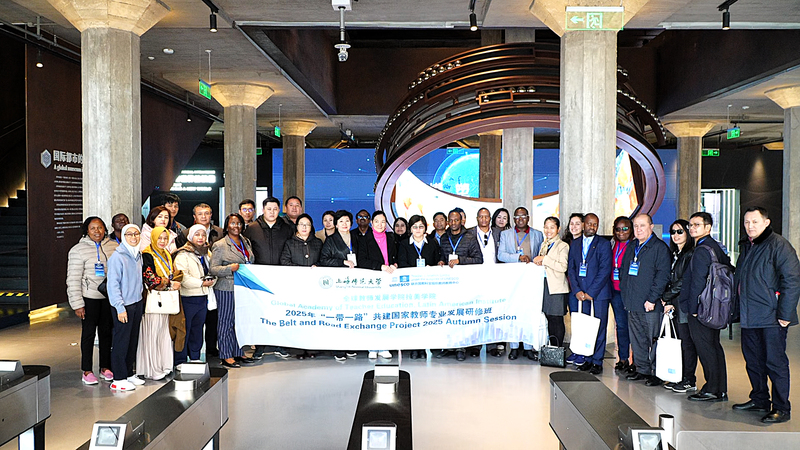
5.Shanghai WorldSkills Museum
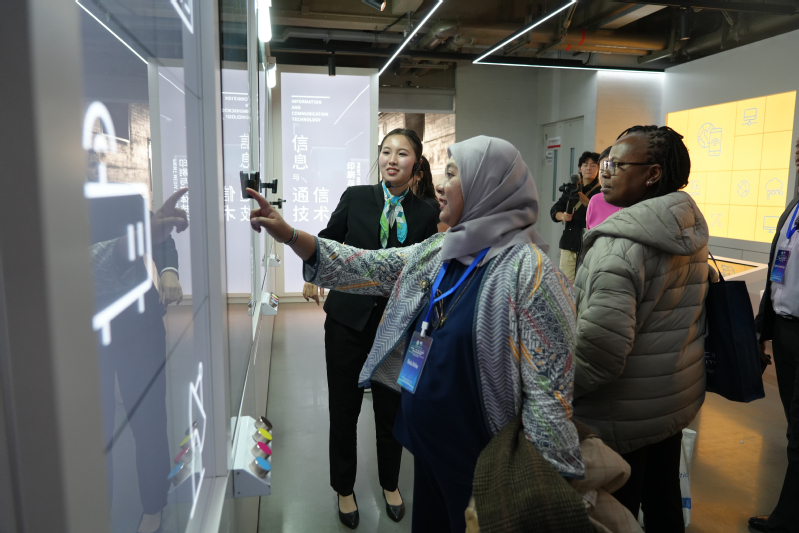
On the afternoon of December 3, project participants visited the Shanghai WorldSkills Museum. Under the professional explanation of the museum staff, the participants visited several permanent exhibition areas in turn, observing hundreds of high-quality exhibits from around the world at close range. The achievements in skill inheritance and innovation from traditional crafts to modern technology were impressive. During the visit, participants had in-depth exchanges with staff on issues such as the skill education concepts behind the exhibits and international skill competition standards, and learned in detail about the museum's platform role in skill display, international cooperation, and youth education. Everyone expressed that through this visit, they intuitively felt the cutting-edge trends of global vocational skill development, gained a deeper understanding of the concept of "promoting development through skills", and provided valuable references for the vocational education curriculum design and skill talent training models in their own countries.
6.Ningbo Education Museum
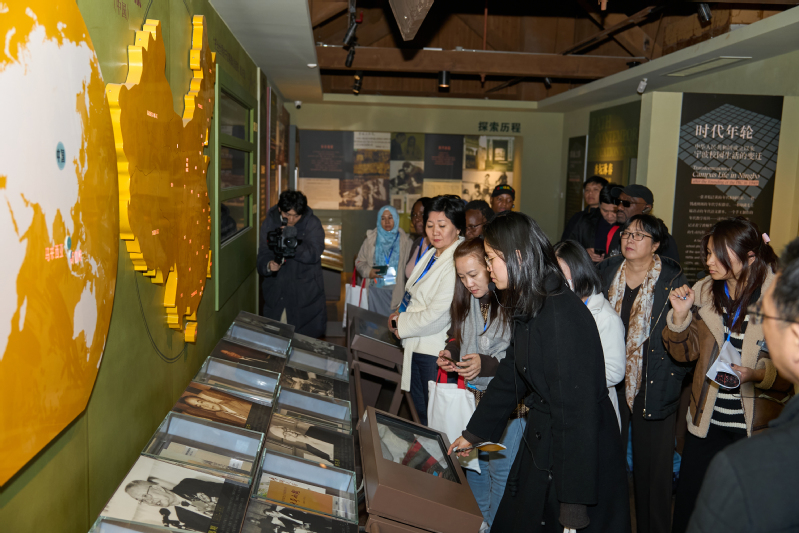
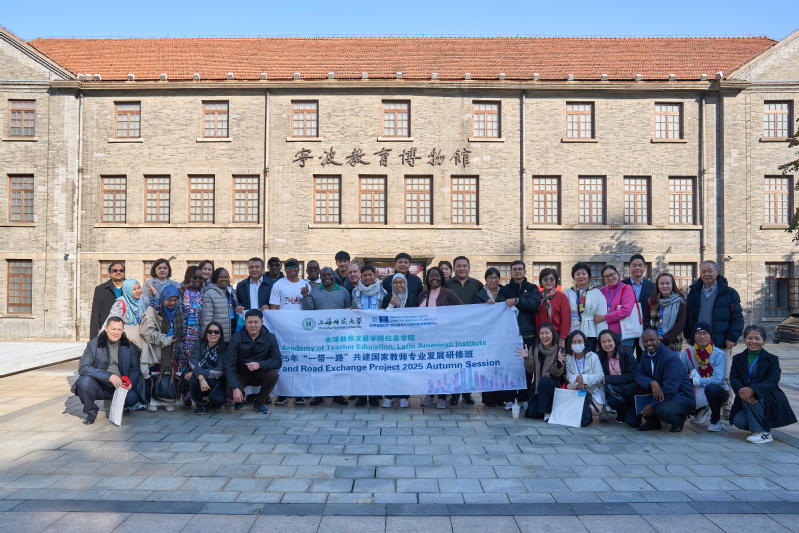
On the afternoon of December 4, the project team visited the Ningbo Education Museum. Leaders of the Ningbo Municipal Bureau of Education warmly welcomed the project participants at the museum and gave an introduction to Ningbo and its education. Subsequently, project participants visited the museum under the explanation of the curator of the Ningbo Education Museum. The rich collection allowed project participants to understand the development history of education in China and Ningbo. As the first professional education museum in China, the Ningbo Education Museum officially opened in May 2015, filling the gap of professional education museums in China's museum system. The basic exhibition of the museum includes "A Land of Culture and Education" (the evolution of ancient education in Ningbo), "Pioneers in Yongjiang" (the road of modern education in Ningbo), and "Spring Breeze in the Lecture Hall" (the course of modern education in Ningbo), systematically sorting out the context of Ningbo's education from the Hemudu Culture period to the present. The auxiliary exhibitions include a group sculpture of ancient educators in Ningbo, an interactive classroom for enlightenment education, and a story exhibition of Yongjiang Women's Middle School, enriching the interactivity and pertinence of the exhibition.
7.Ningbo Tianyi Pavilion Museum
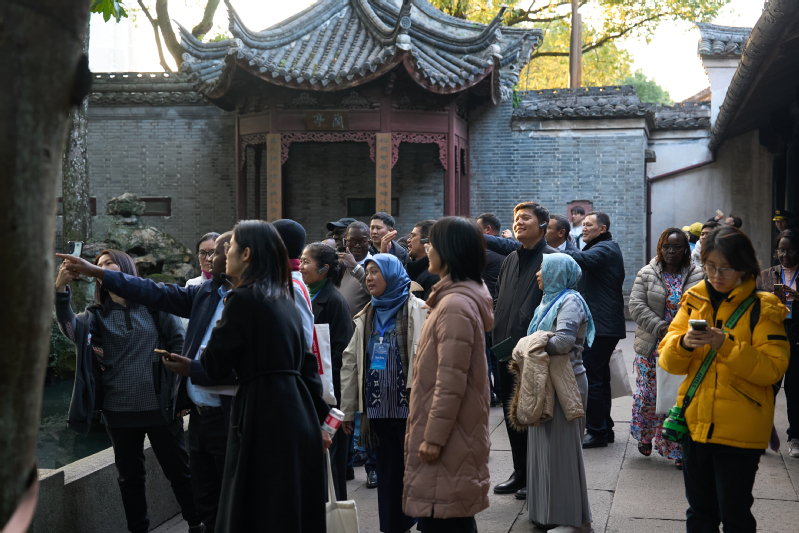
After visiting the Ningbo Education Museum, the project team visited the Ningbo Tianyi Pavilion Museum. With a history of over 400 years, the ancient-style Tianyi Pavilion Museum, as the oldest private library in Asia, demonstrates China's emphasis on culture and education. The Jiangnan-style garden in the Tianyige Museum has an exquisite layout, with changing scenery at every step. Centered on water, it cleverly uses elements such as rockeries, ponds, pavilions, and corridors to form a tortuous and circular path. The elegant details and strong ancient charm, such as blue bricks and black tiles, horse-head walls, and carved window lattices in the garden, all reflect the delicacy and elegance of Jiangnan architecture. The collection culture of Tianyi Pavilion and the freehand landscape garden design immersed the project participants, allowing them to intuitively experience China's profound and long-standing cultural heritage.
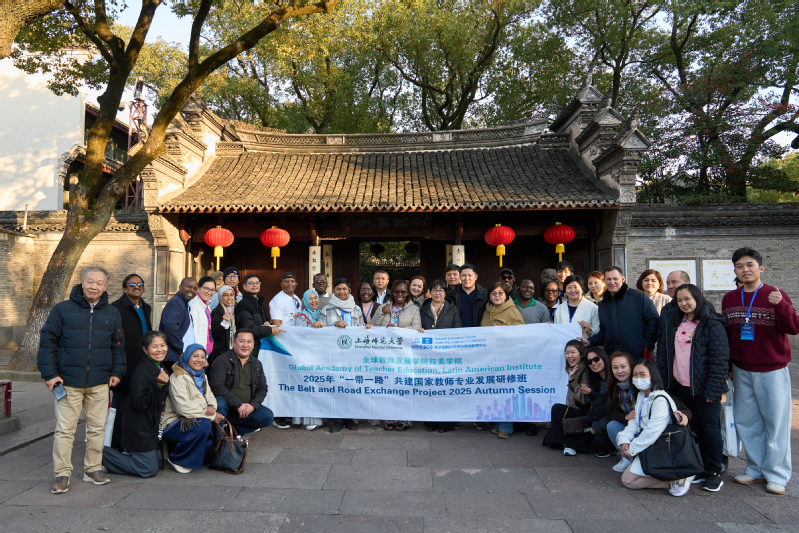
8.Ningbo Xiaoshi Middle School
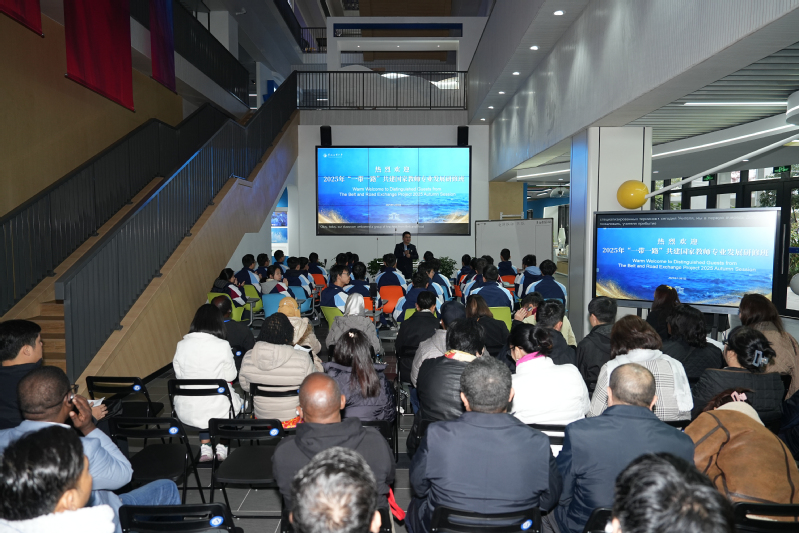
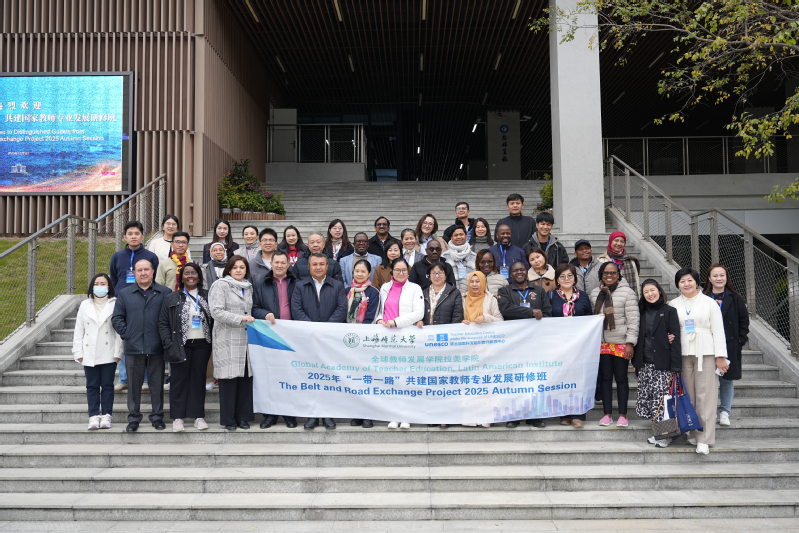
On the morning of December 5, project participants visited Ningbo Xiaoshi Middle School. The school's modern campus environment and the ingenious use of space were impressive. The school's open shared halls and corridors have become students' "Academy of Sciences", displaying various scientific experimental devices and knowledge boards covering physical phenomena, biological mysteries, chemical principles, and cutting-edge technology. Through "educating through scenery", the campus has become a position for scientific enlightenment. Members listened to a physics experiment course titled "Forced Vibration and Resonance", which had a distinct theme and detailed content. The resonance experiment demonstrated with ancient Chinese fish basins and dragon basins allowed everyone to intuitively feel China's long-standing scientific and technological culture. Subsequently, an exchange meeting between the school's teachers and the project team was held. School leaders delivered a welcome speech and briefly introduced the school's development, and together with the person in charge of moral education, curriculum management and other departments, responded to the questions raised by the project participants on enrollment, recruitment, teaching and other issues, with in-depth and practical exchanges.
9.Ningbo Urban Planning Exhibition Hall
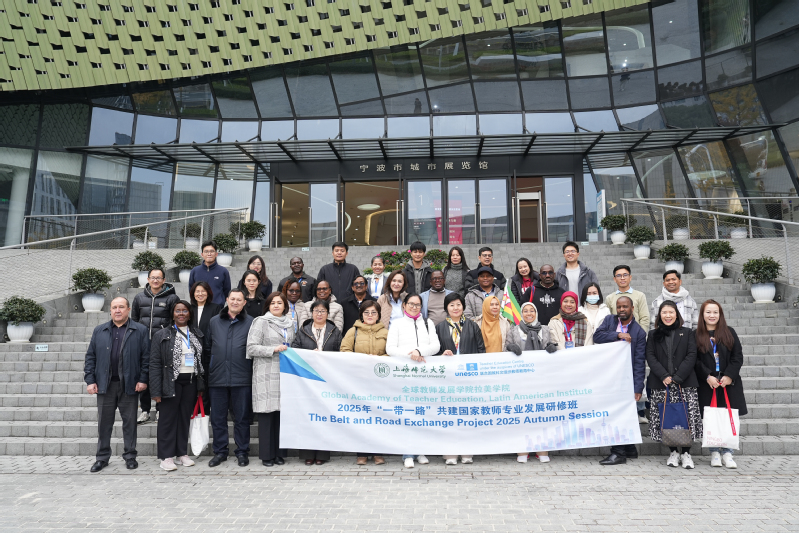
After the visit to Xiaoshi Middle School, the project team came to the Ningbo Urban Planning Exhibition Hall. As an important window for displaying Ningbo's urban culture, the hall was officially put into use in 2019, with a total area of 25,000 square meters. Its shape is like a ribbon flying in the air, cleverly echoing Ningbo's urban positioning as an important gateway of the "Maritime Silk Road". With the core theme of "World Port City, Happy Home", the exhibition hall highlights the profound urban heritage and has both practical and innovative characteristics from four dimensions: cultural presentation, technological application, functional value, and experience design. The hall uses cutting-edge technologies such as digital sand tables, naked-eye 3D, 6D cinemas, and bowl-screen projections to create popular exhibition items such as "Flying Over Ningbo", bringing an immersive modern urban experience to the project participants. Through this visit, project participants not only systematically understood the development context of Ningbo, but also formed a deeper understanding of the practice and effectiveness of local civic education.

10.East China Normal University Ningbo Art Experimental School
After visiting the Ningbo Urban Planning Exhibition Hall, the project team arrived at the last stop of the trip — East China Normal University Ningbo Art Experimental School. As a benchmark public nine-year consistent school directly under Yinzhou District, the school takes "Elegance Education" as its core characteristic, equipped with advanced hardware such as "three venues, four halls, five centers", professional recording studios and photography studios, fully supporting teaching in multiple fields such as culture, sports, and art. Project participants first visited the campus, then listened to a chemistry course themed "Aqueous Solutions in Life" and a mathematics course themed "Review of Inequalities" in groups. The courses cleverly integrated information technology and AI technology, intuitively demonstrating the practical results of technology-empowered teaching. Finally, the school leaders delivered a report titled "Elegance Education: Education That Fulfills Life", detailing the educational philosophy of "a small school with great elegance", the purpose of "enabling each student to achieve optimal development", the goal of cultivating comprehensive students with international perspectives, the unique elegant cultural system, and the diverse quality view. During this activity, project participants deeply participated in classroom observation and concept sharing, not only appreciating the integration of high-quality hardware and teaching, but also gaining an in-depth understanding of the connotation of "Elegance Education" and the comprehensive education model, achieving fruitful results.
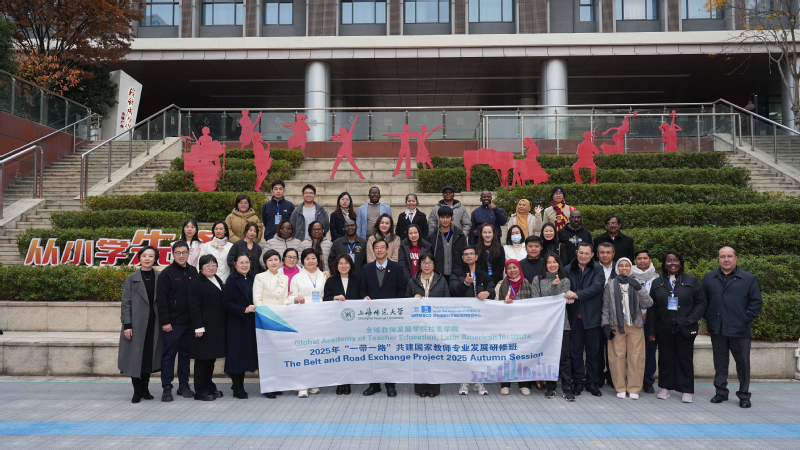
"Though far apart, we know each other well; the distance of clouds and seas is irrelevant." Although the cross-border gathering has come to a temporary end, the sparks of ideas and the bonds of friendship have been deeply forged. With the joint efforts of all participants, the Belt and Road Exchange Project 2025 Autumn Session has concluded successfully. During this fulfilling training journey, Chinese and foreign educational colleagues engaged in immersive exchanges and in-depth mutual learning, not only sharing valuable experiences of educational practices from various countries, but also consolidating the consensus and strength to move forward hand in hand. This activity is by no means an end, but a new starting point. It will serve as a solid bridge for China to deepen educational cooperation with BRI partner countries, promoting the interaction between the two sides in curriculum innovation, teacher training, cultural integration and other fields to a more practical, efficient and fruitful new stage. May the flower of educational mutual learning continue to bloom on the journey of building the BRI, injecting lasting impetus into the educational development and people-to-people bonds of various countries.