

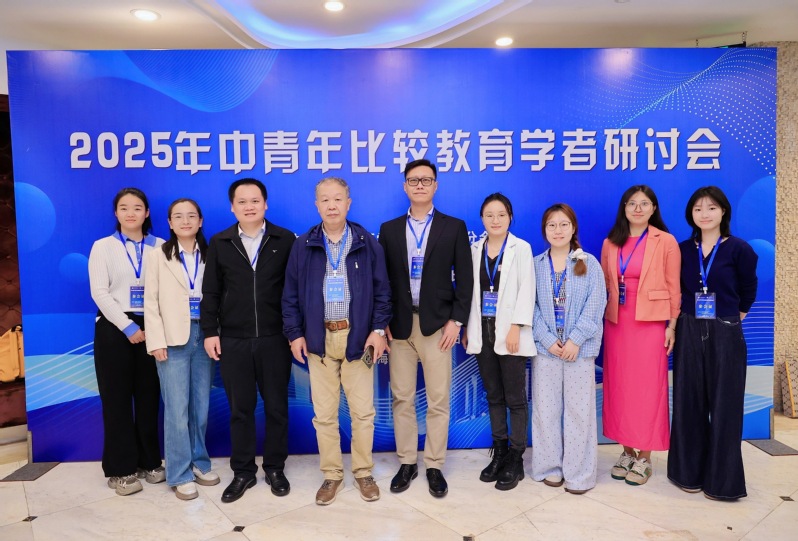
From December 5 to 7, 2025, the 2025 Young and Middle-Aged Comparative Education Scholars Symposium of the Comparative Education Society of the Chinese Society of Education was successfully held in Haikou City, Hainan Province. The symposium was hosted by the College of Education of Hainan Normal University and the Center for International and Comparative Education of Hainan Normal University. Themed "Building an Education Power and the Era Mission of Comparative Education", it featured 10 keynote speeches and 12 parallel forums, aiming to explore new topics, methods and perspectives of comparative education in the current context, and encourage academic exchange and ideological collision. A total of 7 representatives from TEC attended and spoke at the symposium, namely Professor Hu Guoyong, Professor Kong Lingshuai, Associate Professor Lü Jiexin, PhD Candidates Yu Ying and Zhu Lifei, and Master Students Ma Yining and Liu Qingpei.
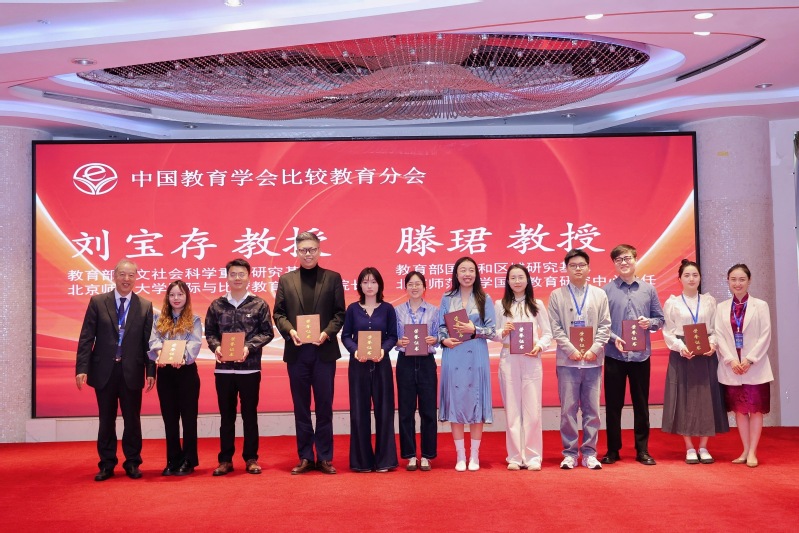
After the opening ceremony, the list of first prize winners of the 1st High-Level Young Scholars Essay Competition on Belt and Road Education Research, co-sponsored by the Journal of Comparative Education Studies, was announced. The paper co-authored by Associate Professor Song Jia and Master Student Liu Qingpei from TEC, titled "Constructing a New Paradigm of China-Africa STEM Teacher Education Cooperation under the Belt and Road Initiative: An Analysis Based on 204 Qualitative Interviews in 17 African Countries", won the first prize. Professor Liu Baocun, Chairman of the Comparative Education Society of the Chinese Society of Education, and Professor Teng Jun, Vice Chairman and Secretary-General of the Comparative Education Society of the Chinese Society of Education, presented certificates to the winners.
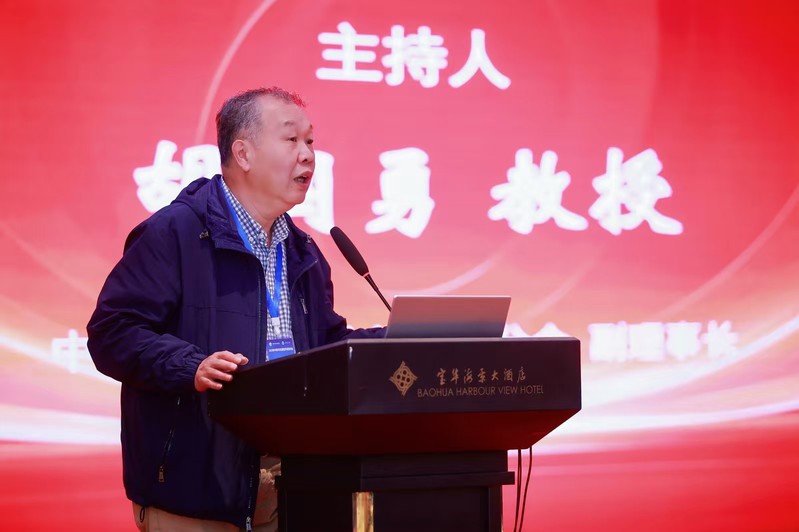
Subsequently, Professor Hu Guoyong chaired two keynote sessions. He offered targeted comments and insightful responses to the presentations, and conducted in-depth discussions on core issues with the two keynote speakers, further stimulating the thinking of participants.
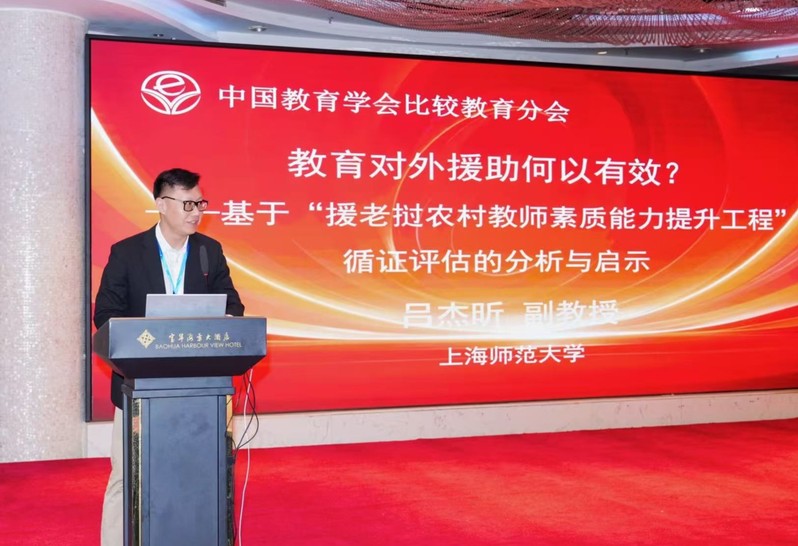
On December 7, Associate Professor Lü Jiexin was invited to deliver a keynote speech titled "What Makes Educational Foreign Aid Effective? Evidence-Based Evaluation and Implications of the Project for Improving the Quality and Capacity of Rural Teachers in Laos". Based on the evidence-based evaluation of the Laos Rural Teacher Training Project, the study adopted a mixed-methods approach, combining 2023 valid questionnaires and multi-level interview data to conduct an analysis from five dimensions: training content, methods, faculty, organization and management, and effectiveness. It explored the progress, influencing factors and implementation challenges of the project in depth, and proposed that educational foreign aid in the new era should adhere to a demand-oriented approach, strengthen the cross-cultural competence of faculty, focus on on-site scenario building, promote systematic capacity building covering skills, concepts and management, so as to realize the transformation from one-way output to two-way co-construction.
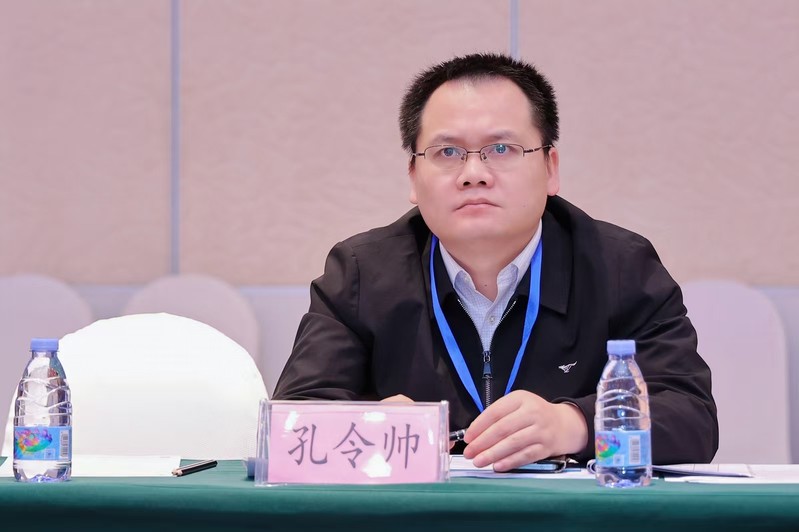
In the parallel forums, Professor Kong Lingshuai served as a commentator for Parallel Forum 1 themed "Theories and Practices of Global Education Governance". He affirmed the research features of the presenters, put forward general suggestions on research topics, theories, methods and logic, and gave targeted comments on each presenter individually.
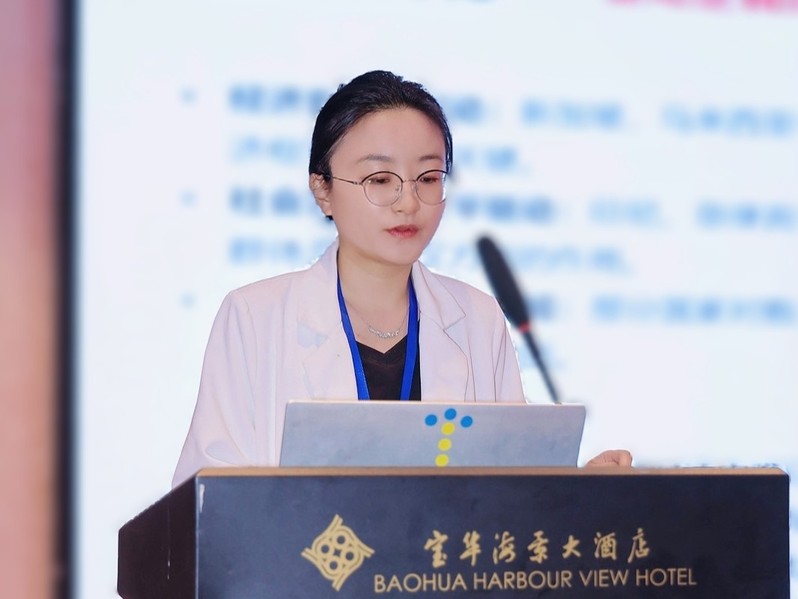
Yu Ying, a Grade 2023 PhD Candidate, delivered a report titled "A Study on the Collaborative Governance Mechanism of ASEAN Digital Education" at Parallel Forum 1. The study pointed out that facing the challenges of fragmented educational goals, resources and policy rules in the region, ASEAN has gradually built a collaborative governance mechanism encompassing motivation driving, collective action and synergy effects. This mechanism presents a networked governance structure with multi-stakeholder participation, follows a consensus-oriented incremental governance process, and adopts governance tools based on soft law and supported by technology. Its practical experience provides a valuable reference for Global South countries to promote regional collaboration in educational digitalization.
Zhu Lifei, a Grade 2025 PhD Candidate, gave a report titled "A Study on the Development of AI Education Governance Policies in the United States" at Parallel Forum 1. Against the backdrop of the Outline for Building an Education Power (2024-2035), the report introduced the historical evolution, characteristics, dilemmas and implications of US AI education governance from the perspective of AI policy games among political figures in different periods of the United States.
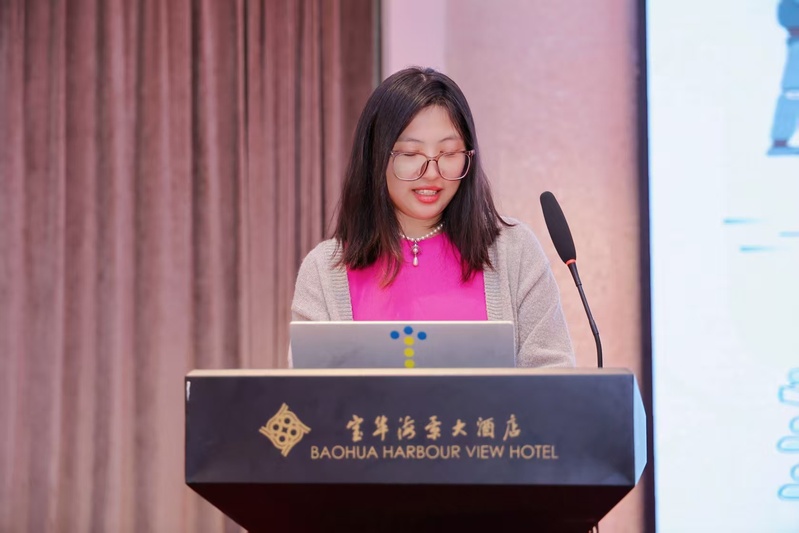
Ma Yining, a Grade 2023 Master Student, presented a report titled "International Perspectives and Local Analysis of Competencies for International Education Volunteers" at Parallel Forum 5. It conducted a detailed comparative analysis of volunteer programs in multiple countries, including their specific requirements and focus areas. Based on first-hand interview data with international education volunteers and a comparison between Western volunteers and those from international organizations, the study summarized the typical characteristics of Chinese international education volunteers, and further analyzed the core competency elements of international education volunteers, providing references for improving the training system of international education talents and volunteers in China.
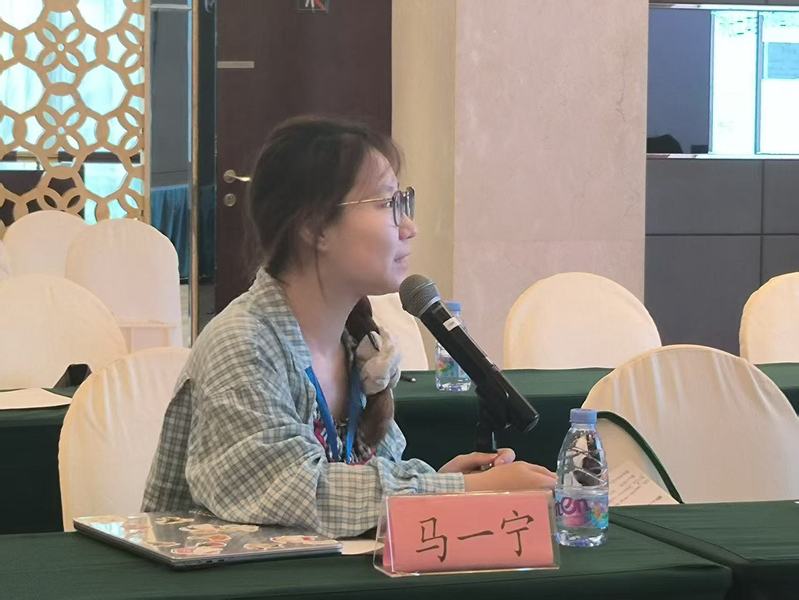
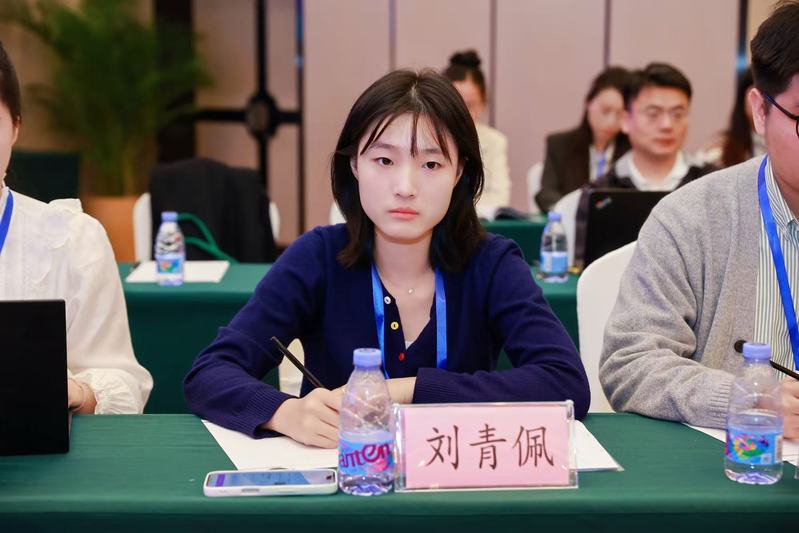
Liu Qingpei, a Grade 2024 Master Student, delivered a report titled "Constructing a New Paradigm of China-Africa STEM Teacher Education Cooperation under the Belt and Road Initiative: An Analysis Based on 204 Qualitative Interviews in 17 African Countries" at Parallel Forum 12, sharing insights on research motivation, policy background, theoretical framework, data collection and analysis, and key findings. Based on the four-step theory of policy borrowing, the study analyzed the practical challenges and reform measures of STEM teacher education in Africa, further explored practical paths to enhance the dissemination effectiveness of China's STEM teacher education experience in Africa, and envisioned the future of China-Africa STEM teacher education cooperation.
Photos and Text: Research Institute for International and Comparative Education (RIICE)