

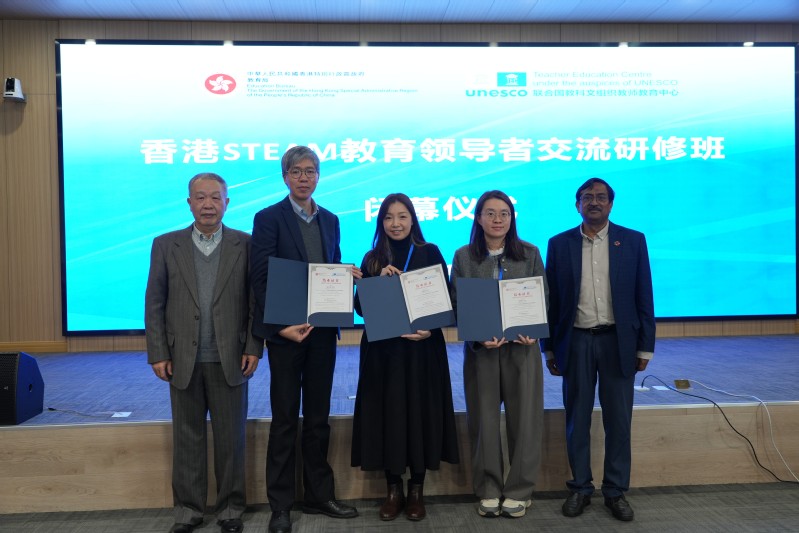
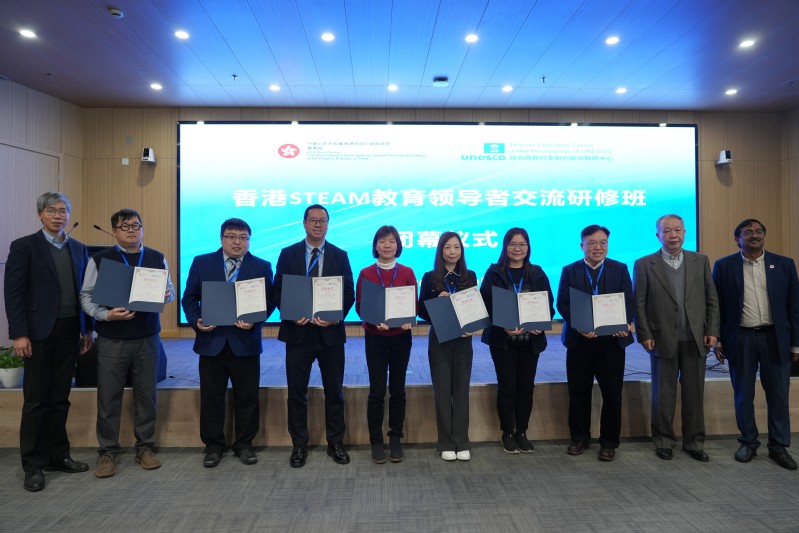
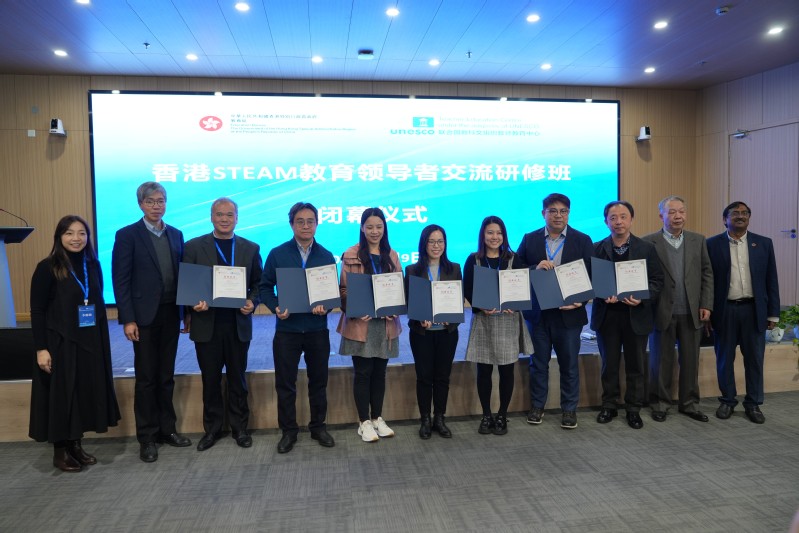
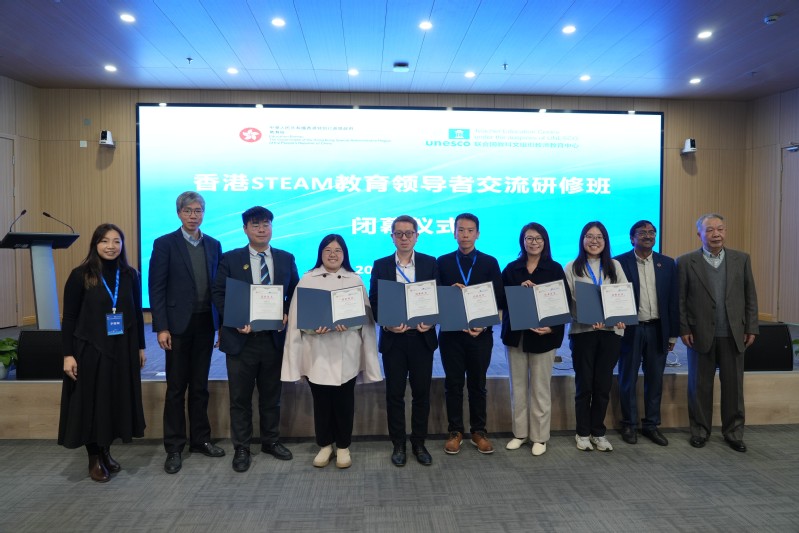
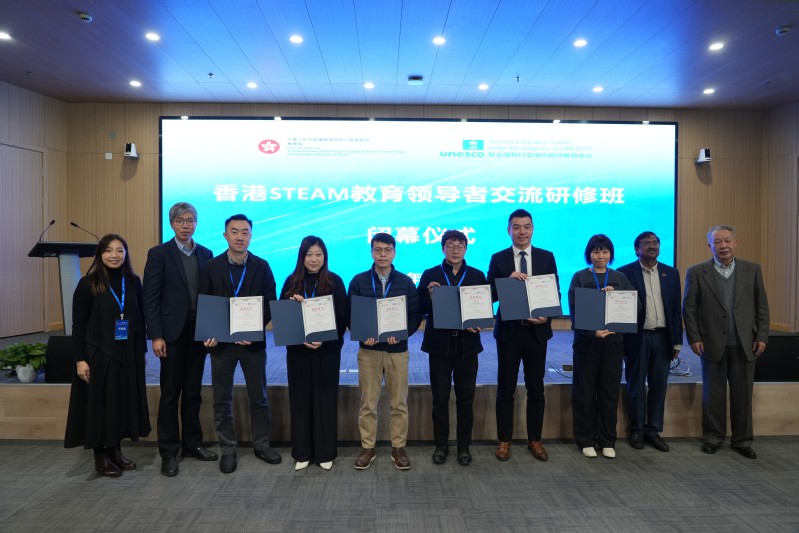
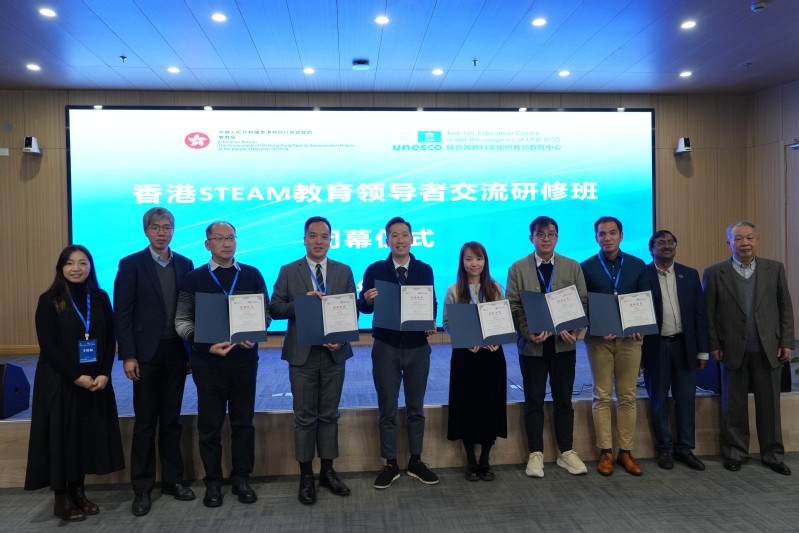
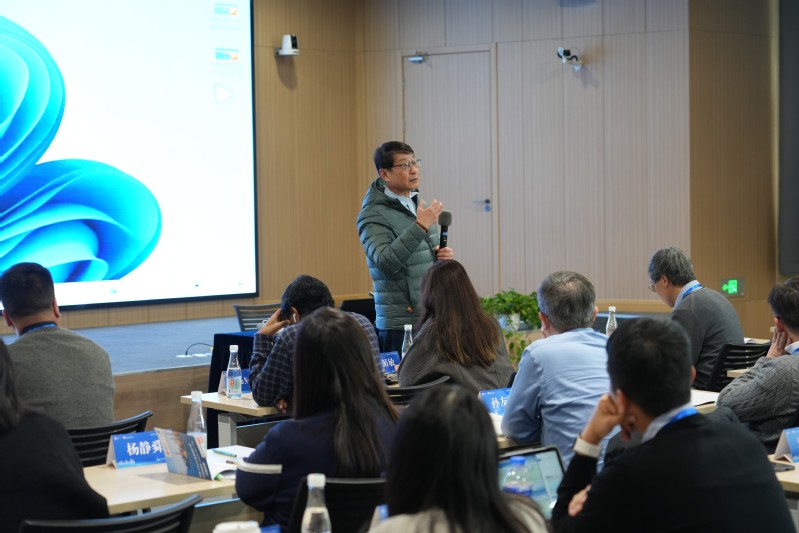
On the morning of January 9, 2026, the closing ceremony of the Hong Kong STEAM Education Leaders Exchange Program was held at the UNESCO Teacher Education Centre (TEC). Attendees included Mr. Chan Siu-chuen, Chief Curriculum Development Officer (Mathematics), Ms. Lee Chun-man, Chief Curriculum Development Officer (Science), and Ms. Fan Hui-yee, Curriculum Development Officer (Technology Education) from the Education Bureau of the Government of the Hong Kong Special Administrative Region (HKSAR Government Education Bureau); Professor Hu Guoyong, Deputy Director of TEC, and Distinguished Professor Jordan Naidoo; as well as 32 primary and secondary school principals and teachers from Hong Kong. The closing ceremony was hosted by Professor Hu Guoyong.
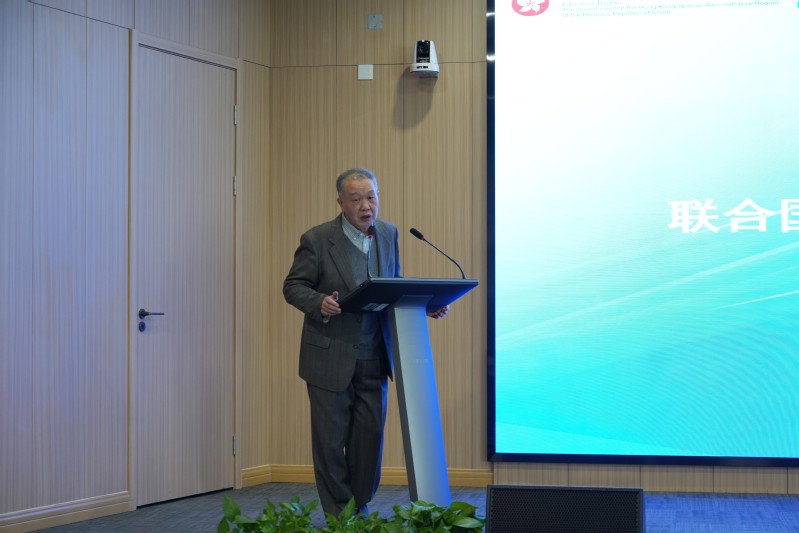
Mr. Chan Siu-chuen conveyed sincere gratitude to all participants and affirmed the program’s profound significance. He noted that the five days of intensive learning and exchanges had enabled participants to broaden their educational horizons and gain valuable experience applicable to teaching practice. He emphasized that the program is merely a starting point, and expressed hope to further deepen cooperation with TEC, jointly driving the robust development of STEAM education in Shanghai and Hong Kong.
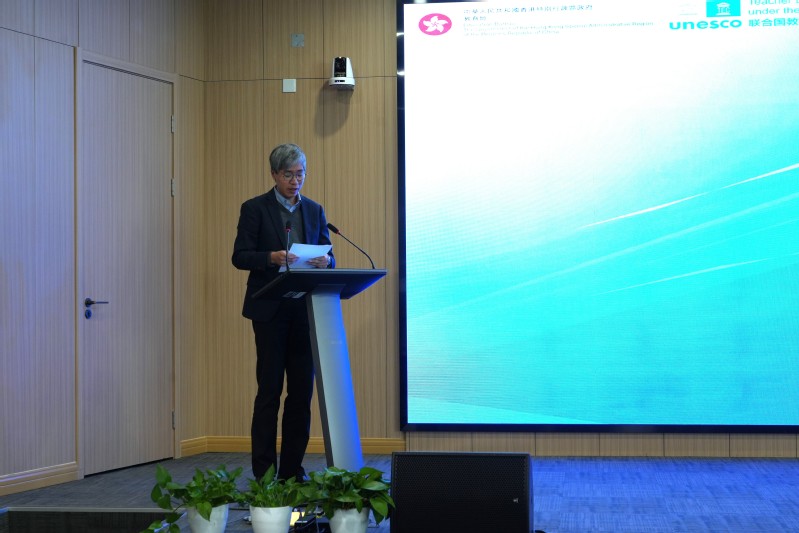
In his concluding remarks, Professor Hu Guoyong extended warm congratulations on the program’s participants. He pointed out that the core challenge of current STEAM education is translating theoretical knowledge into practice. He urged continued strengthening of cross-regional on-site exchanges, encouraging educators to immerse themselves in school environments, explore practical insights beyond textbooks, effectively foster students’ problem-solving skills, and jointly address key issues such as comprehensive literacy assessment. Professor Hu also hoped for future meetings with fellow educators from Hong Kong.
Finally, the participants were granted with certificates, marking a successful end to the first phase of this program.
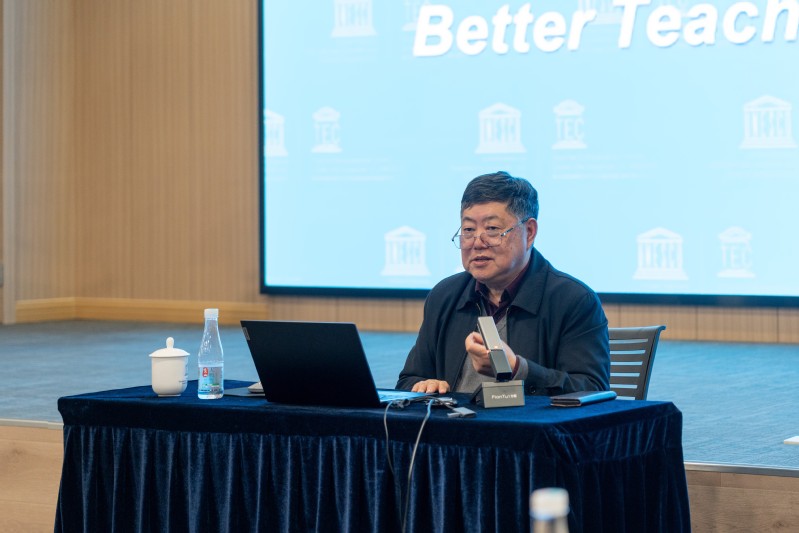
Looking back at the program, thematic lectures, Shanghai-Hong Kong exchanges, and on-site visits were the three highlights. In the thematic lecture session, Professor Zhang Minxuan, Director of TEC, Mr. Ni Minjing, Director of the Shanghai Science & Technology Museum, Mr. Xu Dianfang, former Director of the Shanghai Municipal Education Commission Teaching and Research Office, and Distinguished Professor Jordan Naidoo of TEC delivered wonderful lectures respectively. They discussed the connotation, development trends, and challenges of STEAM education from different perspectives, providing valuable educational concepts and practical experiences for the participants.
On January 5, Professor Zhang Minxuan gave a lecture themed “STEM Education from the Perspective of PISA”, exploring Shanghai’s performance in mathematics and science in PISA tests, and sharing his insights on what STEM education is, why it is carried out, and how to implement it in the AI era. He believed that implementing STEM education in the AI era requires adapting to the transformation trend of PISA science assessment in 2025, relying on the “3×3×3” competency framework, innovating teaching methods, upgrading laboratory models, and promoting the construction of a science and technology education ecosystem with the support of national policies.
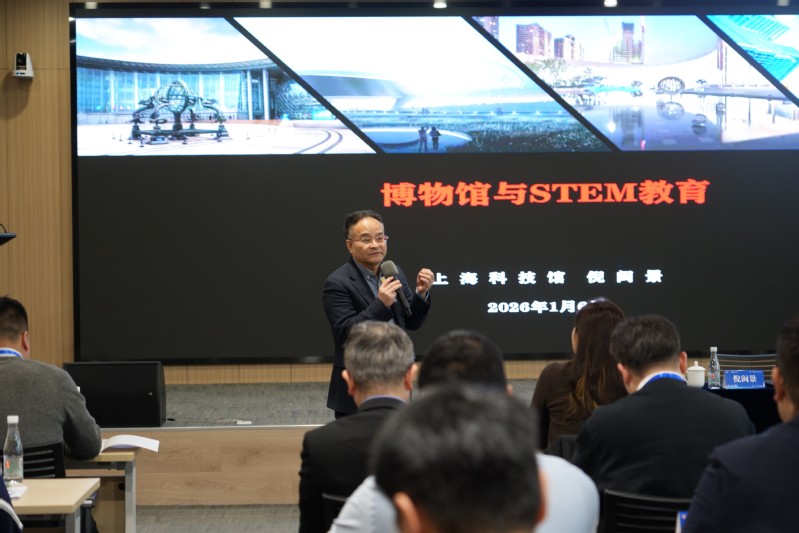
On January 6, Mr. Ni Minjing delivered a thematic lecture on museums and STEM education, discussing the value of disciplinary learning and informal learning, as well as how to make good use of science and technology museums for STEM education in the AI era. He pointed out that all disciplinary teaching can be deeply integrated with museum resources, and efforts should be made to make every classroom an innovation laboratory, every teacher a dream igniter, and every museum a new space for students' growth.
On January 7, Mr. Xu Dianfang gave a lecture themed “Exploration of STEM Education from the Perspective of National Curriculum Teaching Reform”, covering the interpretation of national curriculum plans and subject curriculum standards, the core points of teaching reform, and the exploration of STEM implementation. He believed that STEM implementation needs to rely on policy support, and its core is to carry out interdisciplinary learning integrating science, technology, engineering, and mathematics based on two models: problem-based inquiry and product creation.
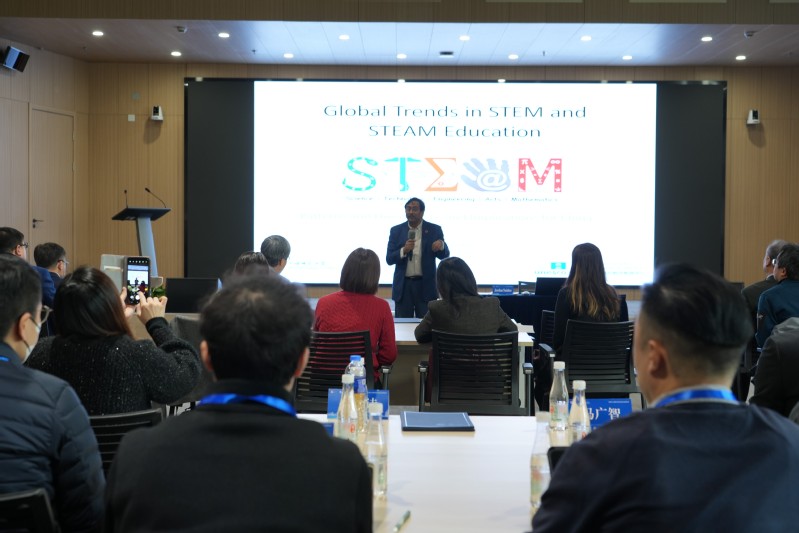
On January 9, Professor Jordan Naidoo delivered a thematic lecture titled “STEAM Global Trends”, exploring the connection between policy and classroom practice, the inevitability of integrated education, and common global challenges. He pointed out that no matter how artificial intelligence develops, the process of teacher-student interaction remains the core of teaching. Future education needs to balance basics and innovation, technology and humanity, integrate social-emotional learning, and strive to promote educational transformation through systematic collaboration, so that STEAM education can take into account students' core competencies and long-term well-being.
In the visit session, the program team visited the Shanghai Astronomy Museum, Shanghai WorldSkills Museum, Shanghai Xiangming Junior High School, and Shanghai Jing’an District Hetian Road Primary School.
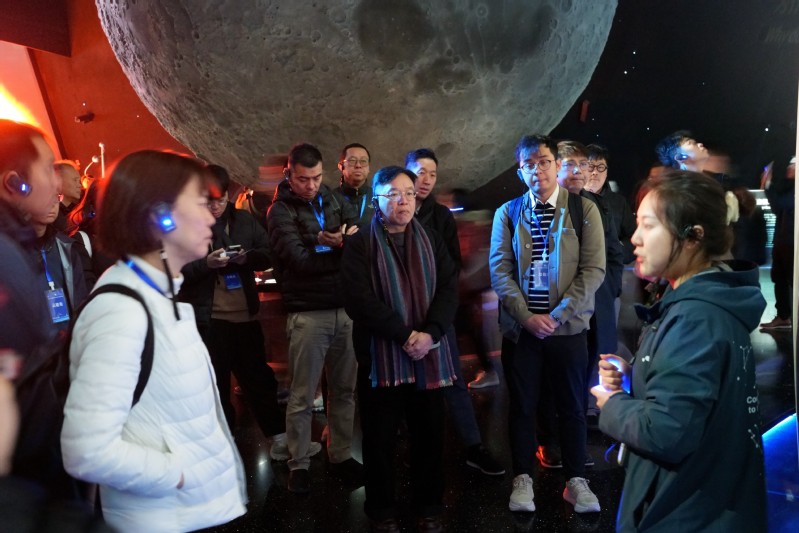
At the Shanghai Astronomy Museum, under the guidance of commentators, the participants visited three thematic areas: “Home”, “Universe”, and “Journey”, listened to professional and detailed explanations, and deeply experienced and inspected the important role and great potential of museums in promoting the development of science and technology education.
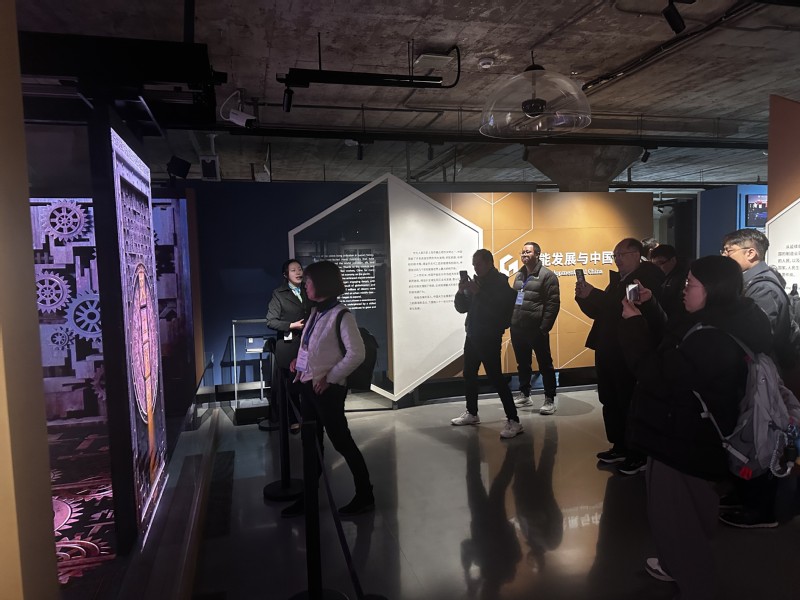
At the Shanghai WorldSkills Museum, from traditional tools to cutting-edge technology, from competition glory to the charm of intangible cultural heritage, the participants gained a comprehensive understanding of the development context of world skills and a deeper appreciation of the remarkable achievements in skill talent training and technological innovation today.
At Shanghai Xiangming Junior High School, led by the school principal and relevant responsible persons, the participants visited various characteristic laboratories of the school, learned about facilities and achievements such as AI-empowered education and interdisciplinary practice; listened to the principal’s thematic lecture on the school’s science and technology education system and the “Urban Dreamer Program”, and observed a practical course themed on the water cycle. During the exchange session, the participants discussed with the school’s teachers on issues such as deepening learning and the setting of characteristic laboratories.
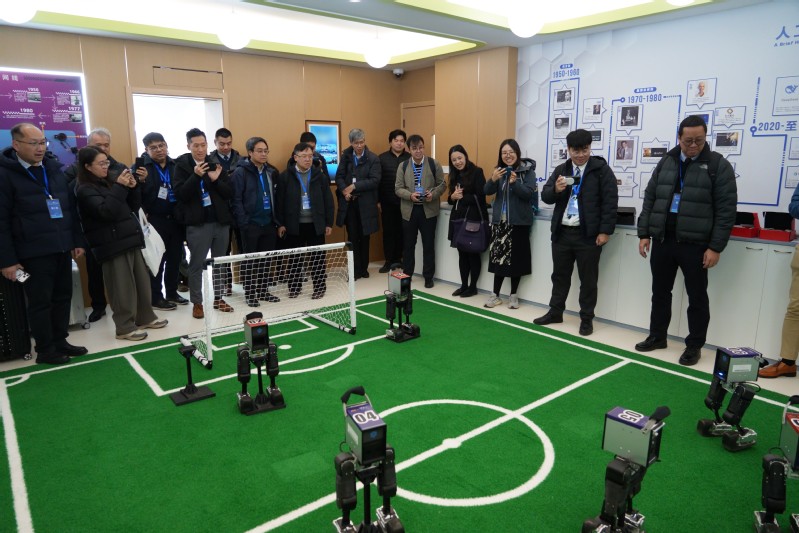
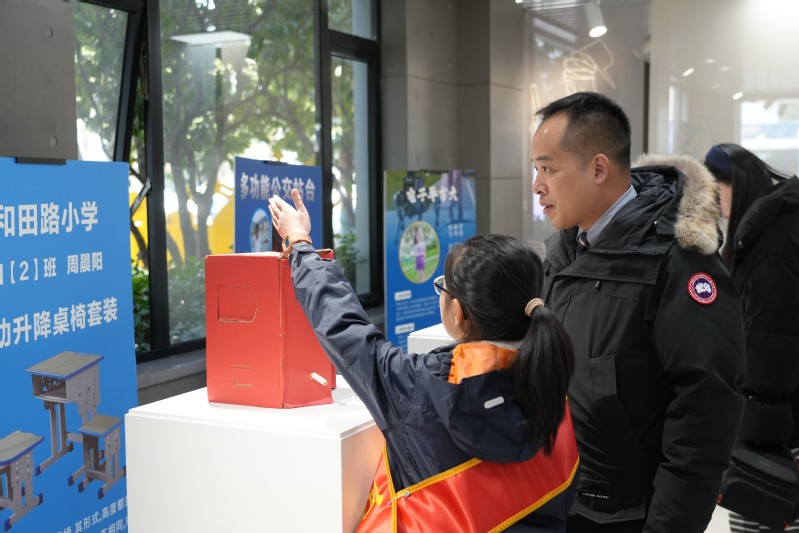
At Hetian Road Primary School, the participants learned about the school’s more than 40 years of accumulation in creative education and STEM education practice by visiting the school’s maker laboratory and other venues; observed the STEM course “How Much Air is Needed for a Five-Day Space Journey” and its curriculum design analysis, and conducted in-depth exchanges with the school’s teachers on STEM education.
This program is not only a continuation and deepening of educational exchanges between Shanghai and Hong Kong, but also a link for educators from both sides to consolidate cooperation. Through face-to-face interactions, the two sides shared knowledge and experience, and explored opportunities and challenges in advancing high-quality STEAM education. Going forward, Shanghai and Hong Kong will further strengthen exchanges and cooperation in STEAM education to cultivate more educational talents with innovative thinking and practical capabilities.
Photos and Text: UNESCO Teacher Education Centre (TEC)