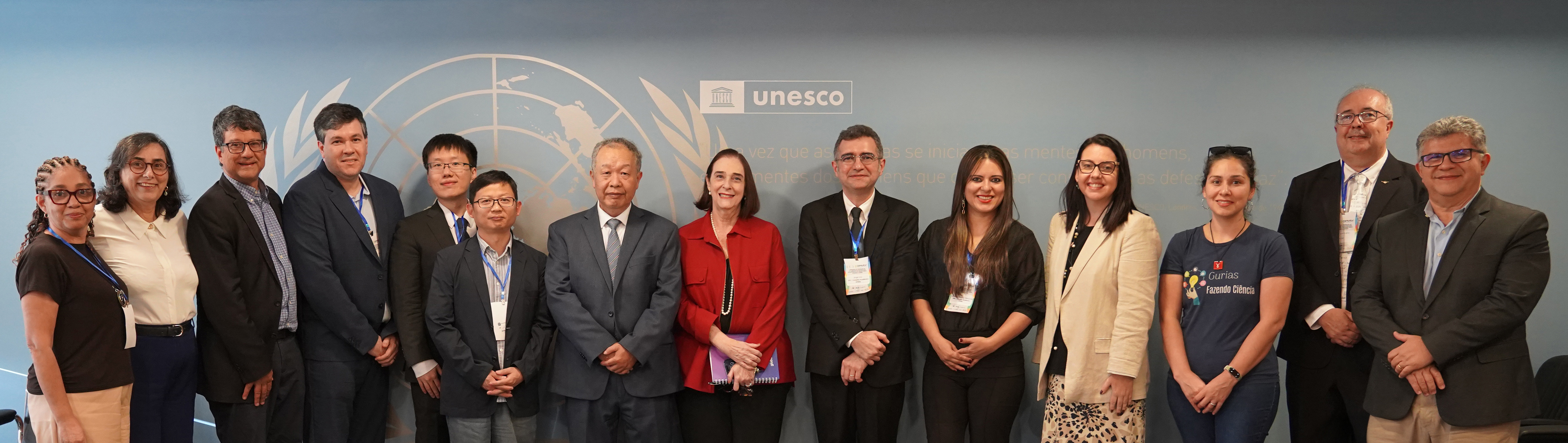


From March 29 to 31, 2026, at the invitation of the Ministry of Education of Brazil, a delegation from the Teacher Education Centre under the auspices of UNESCO (UNESCO-TEC) visited Brasília for academic exchange and participated in the award ceremony of the Second Brazilian Mathematics Teacher Olympiad. The delegation comprised Professor Hu Guoyong, Deputy Director of UNESCO-TEC; Professor Huang Xingfeng, Chief Expert of the China–Brazil Mathematics Teacher Exchange Programme; and Dr. Shen Yihua, Programme Coordinator.

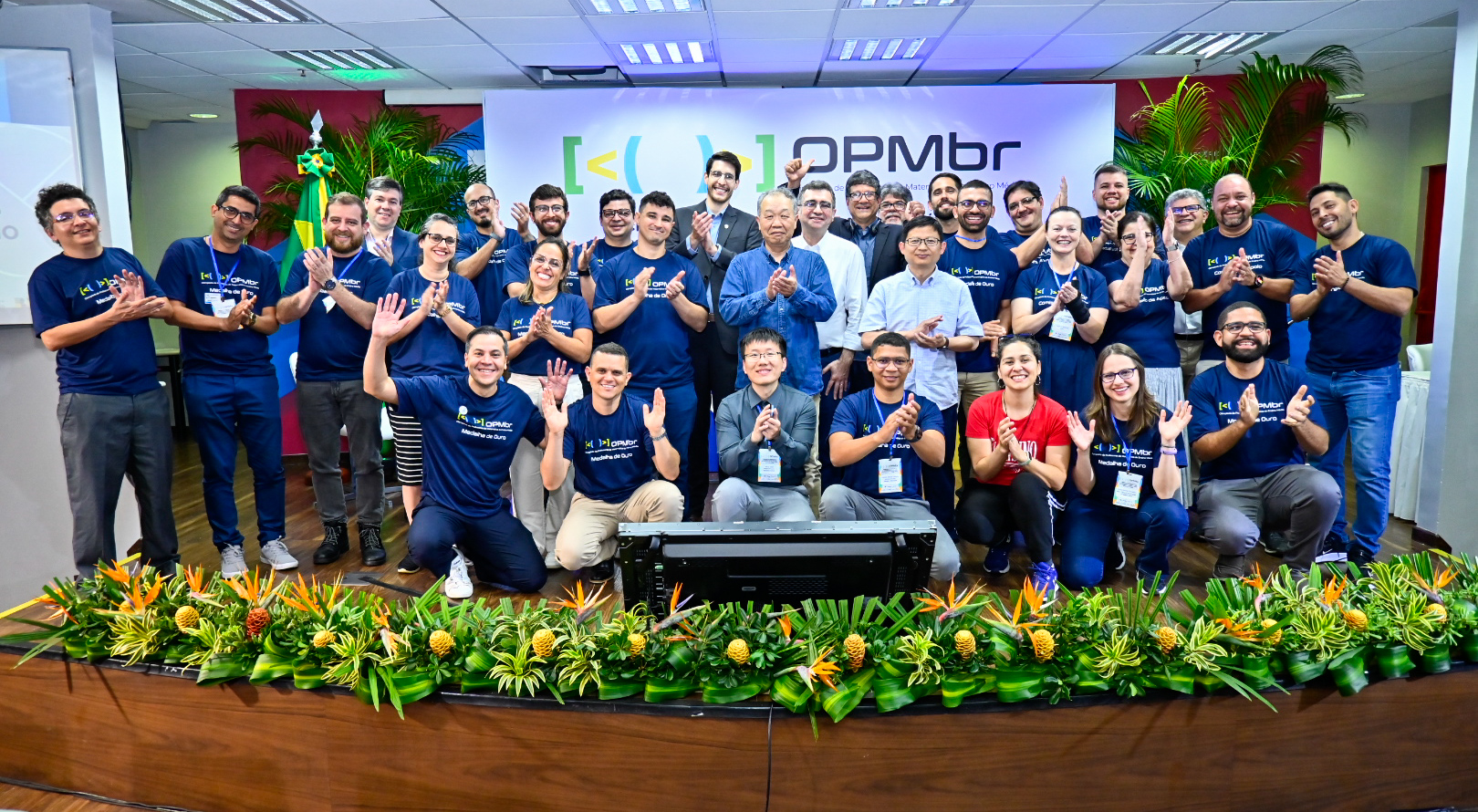
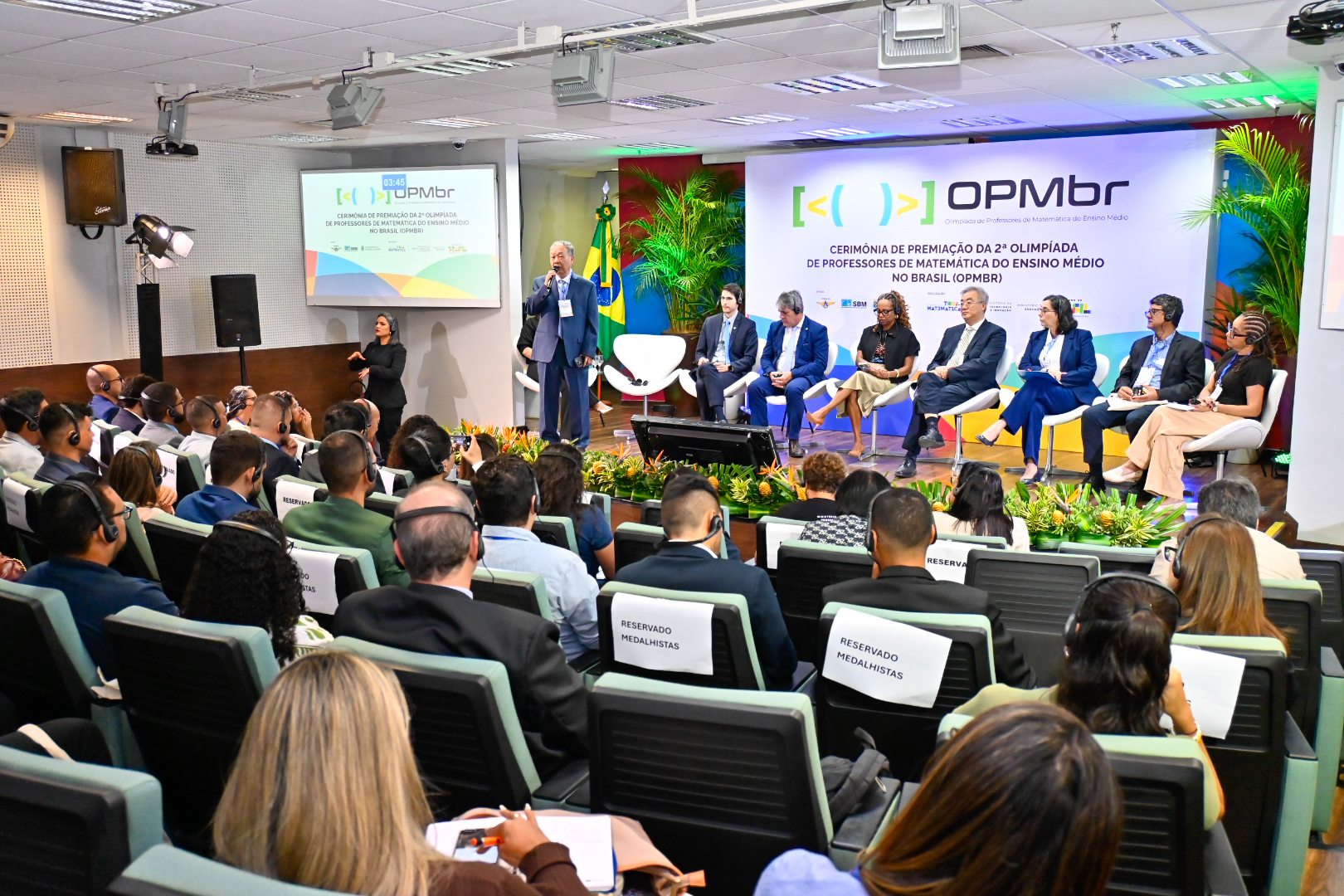
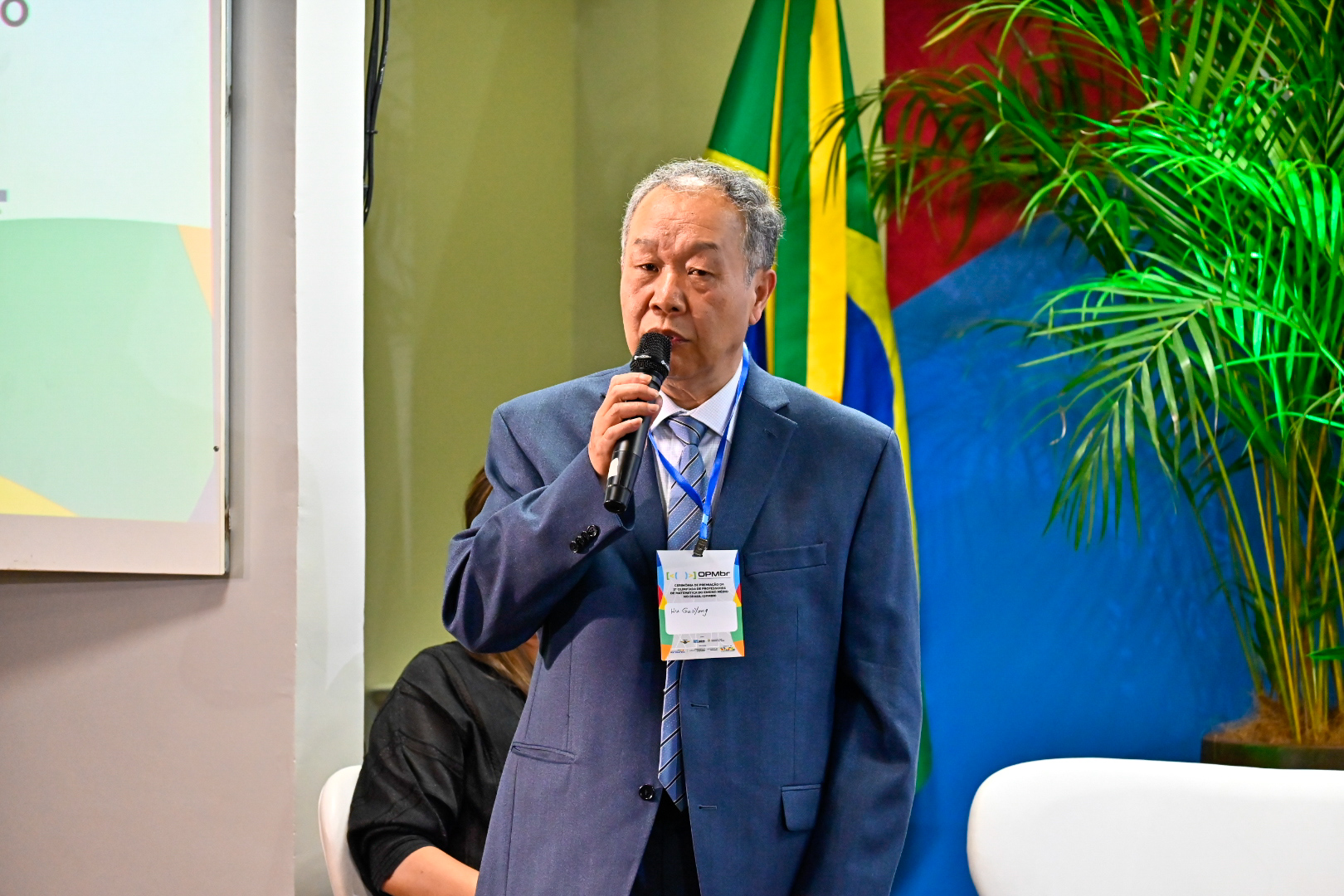
At the award ceremony held at the Ministry of Education of Brazil, twenty outstanding mathematics teachers from across the country were honored. On behalf of UNESCO-TEC, Professor Hu Guoyong delivered a speech expressing gratitude to the Ministry for the invitation. He introduced the Centre’s core functions since its establishment in 2017, including knowledge production, capacity building, technical support, and information sharing. He also highlighted its long-term engagement in OECD programmes, including PISA and TALIS, as well as international teacher exchange initiatives such as China–UK and China–Tanzania collaborations.
Professor Hu emphasized that the Shanghai training programme for Brazilian Gold Medal Mathematics Teachers, implemented in 2024, achieved significant outcomes and effectively promoted professional development and educational exchange between China and Brazil. He expressed confidence in further strengthening collaboration and advancing the programme in 2026, thereby enhancing educational cooperation and people-to-people exchange between the two countries.
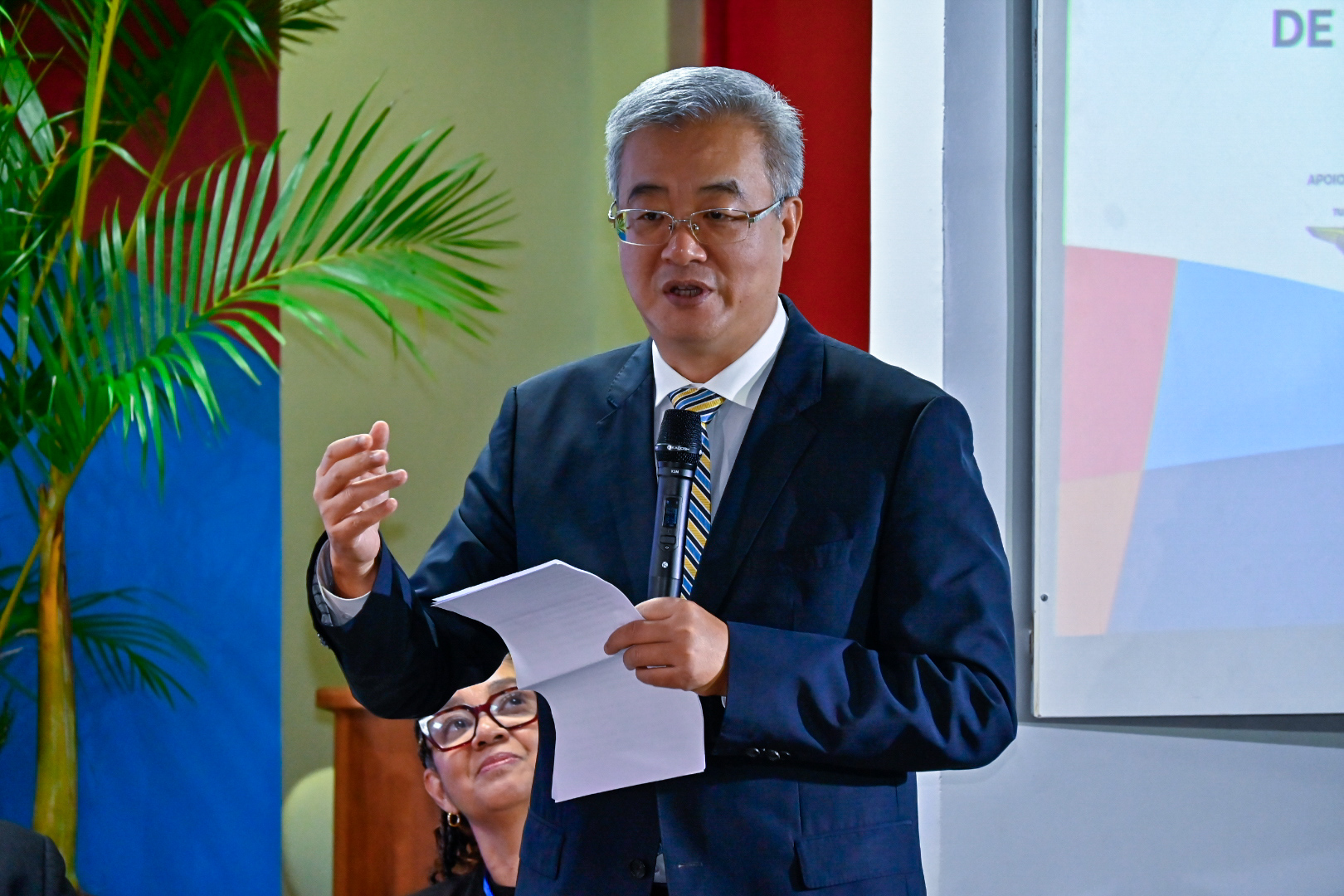
Zhu Qingqiao, Ambassador of China to Brazil, congratulated the award-winning teachers and highlighted the critical role of mathematics education in fostering innovation and supporting national development. He emphasized the importance of teachers in cultivating scientific literacy and creativity among young people.
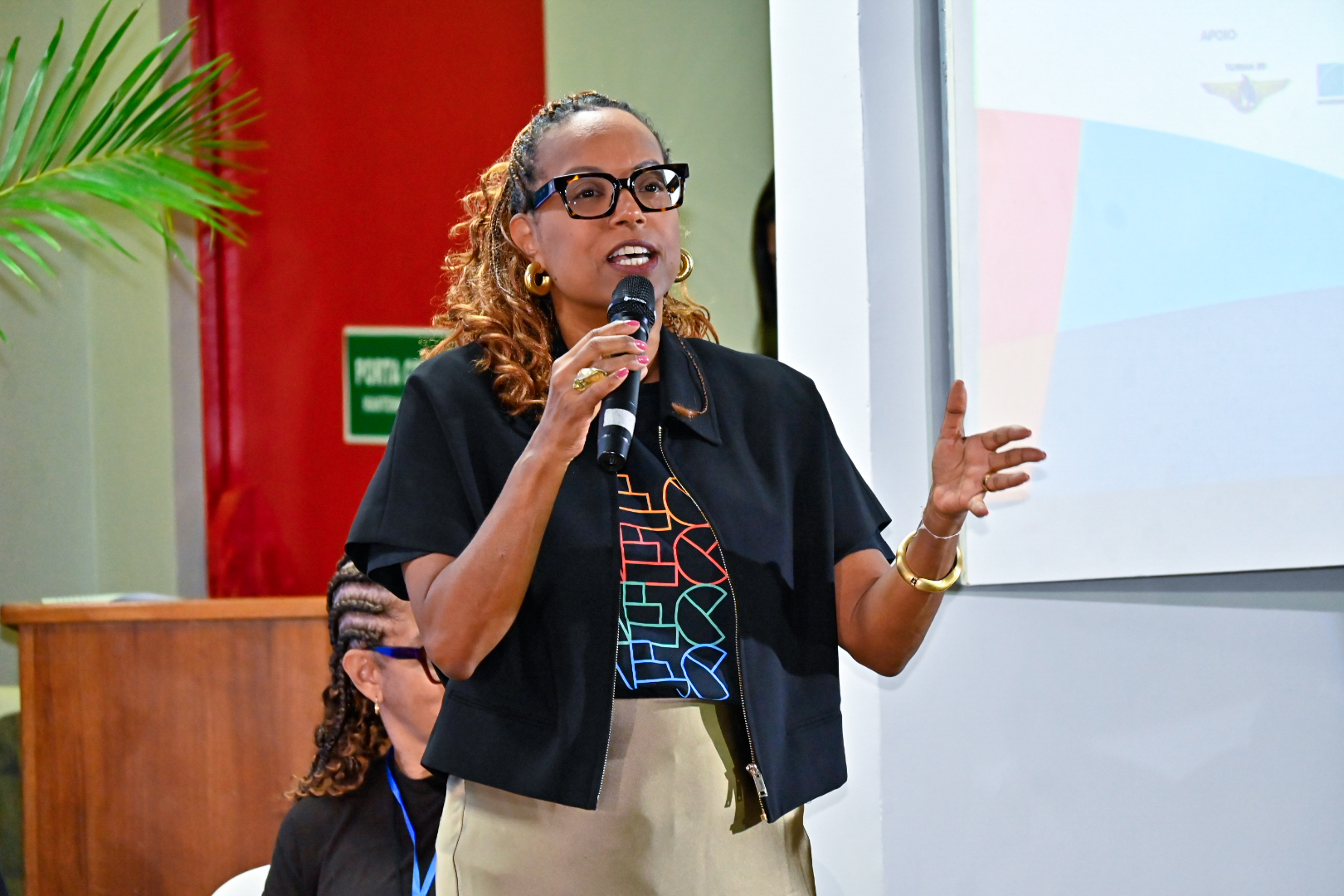
Katia Schweickardt, Secretary for Basic Education at the Ministry of Education of Brazil, reflected on the positive outcomes of the first cohort of award-winning teachers who participated in the Shanghai programme. She spoke highly of China’s mathematics education practices and encouraged the new cohort to engage actively and draw valuable insights from the experience.
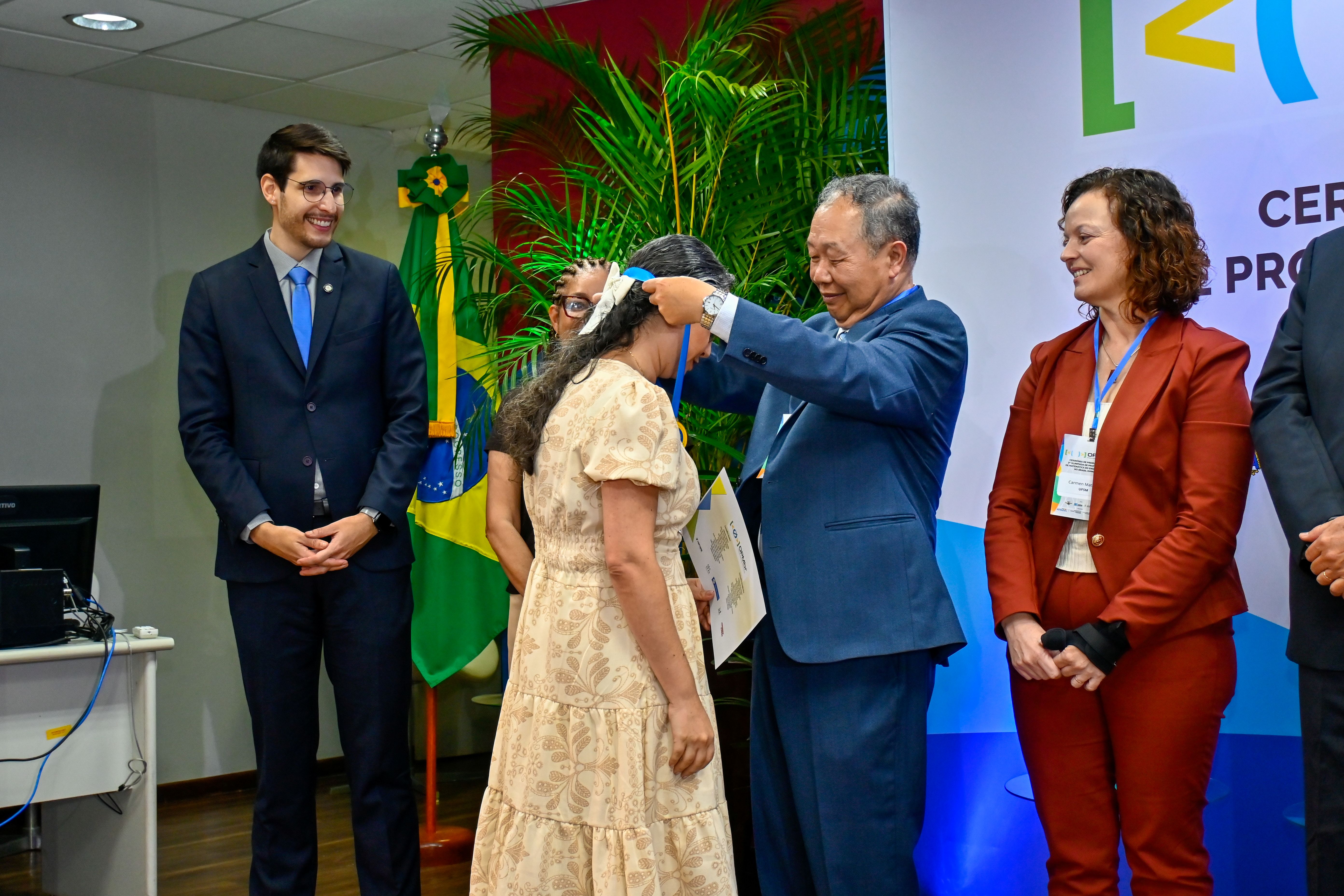
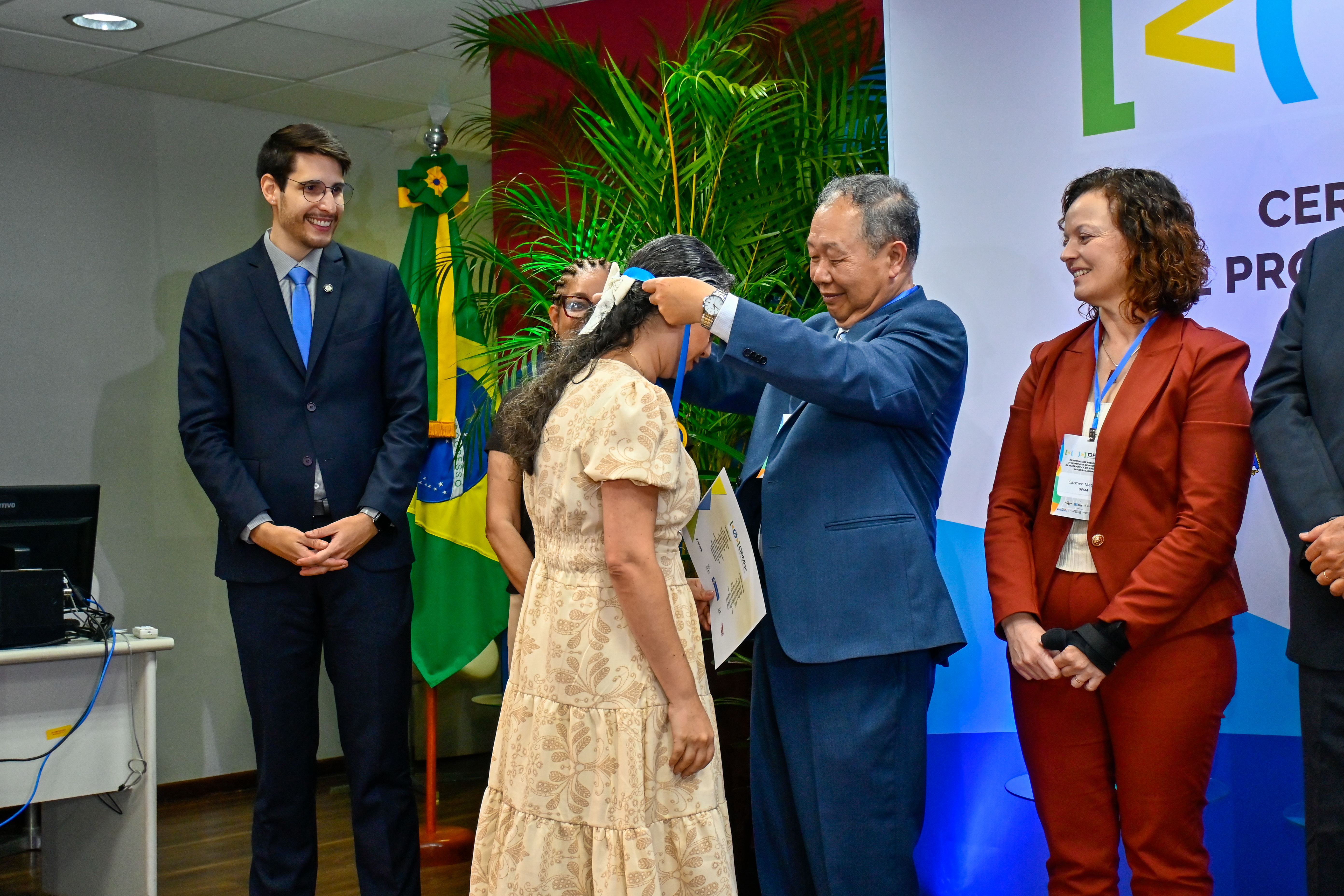
During the ceremony, Professor Hu presented gold medals and certificates to the twenty award-winning teachers as the Chinese representative. Representatives from Brazil’s mathematics education community and relevant institutions attended the event and expressed strong recognition of the awardees’ achievements.
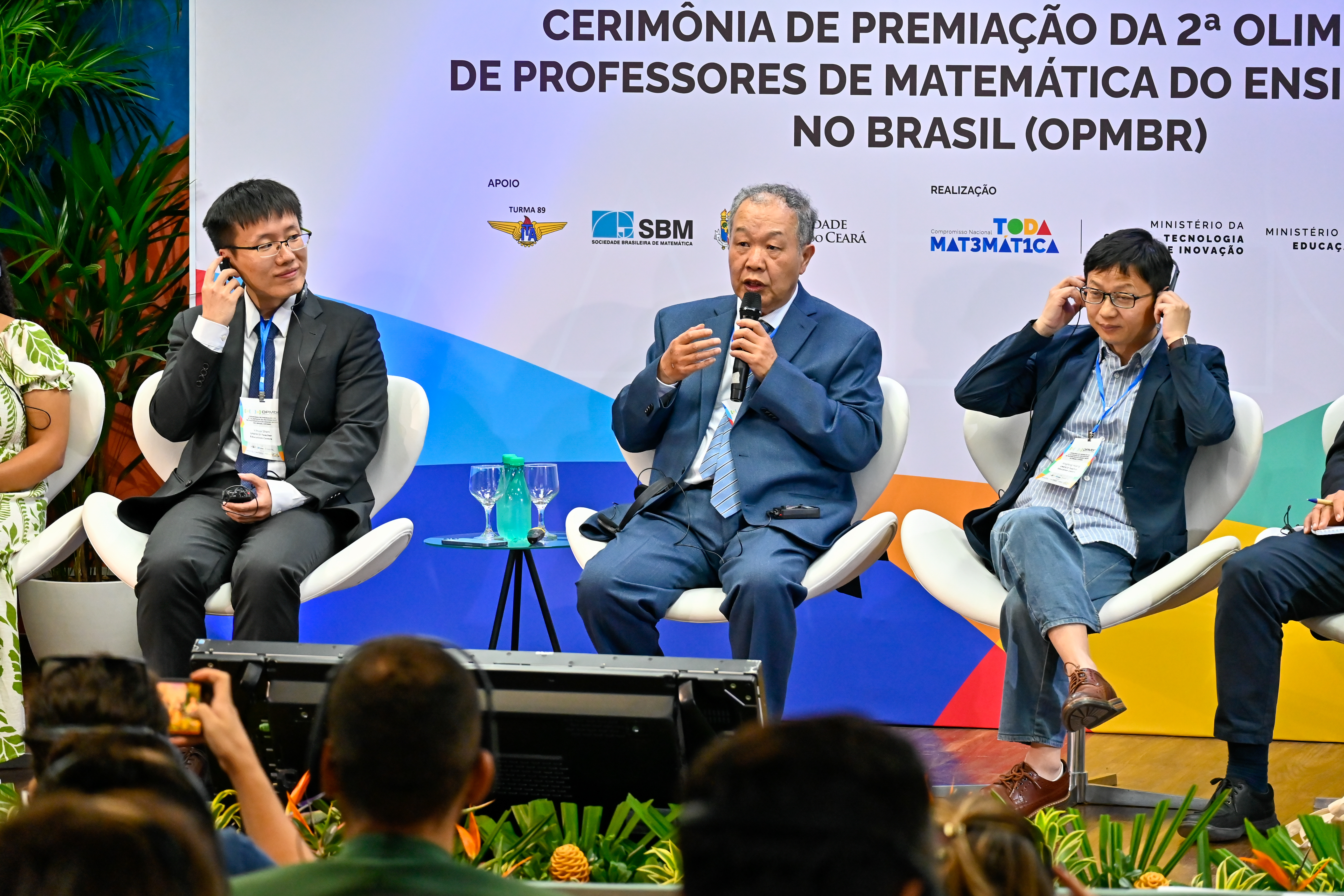
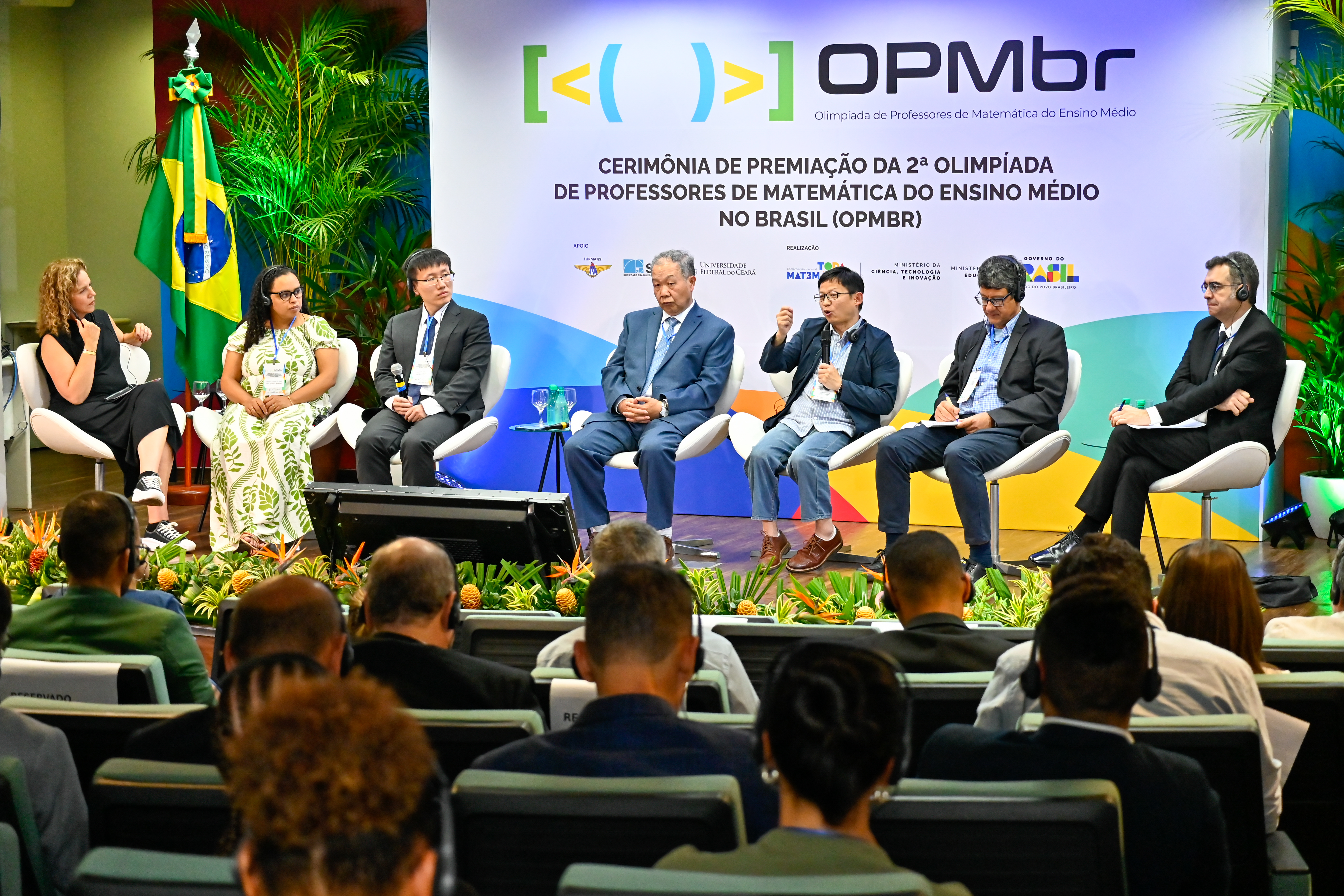
Following the ceremony, a thematic session titled “China–Brazil Cooperation in Mathematics Teacher Education: Review and Presentation of the First Shanghai Exchange Programme” was conducted. The session provided a comprehensive review of the implementation and outcomes of the first Shanghai training programme and introduced the content and arrangements for the upcoming cohort.
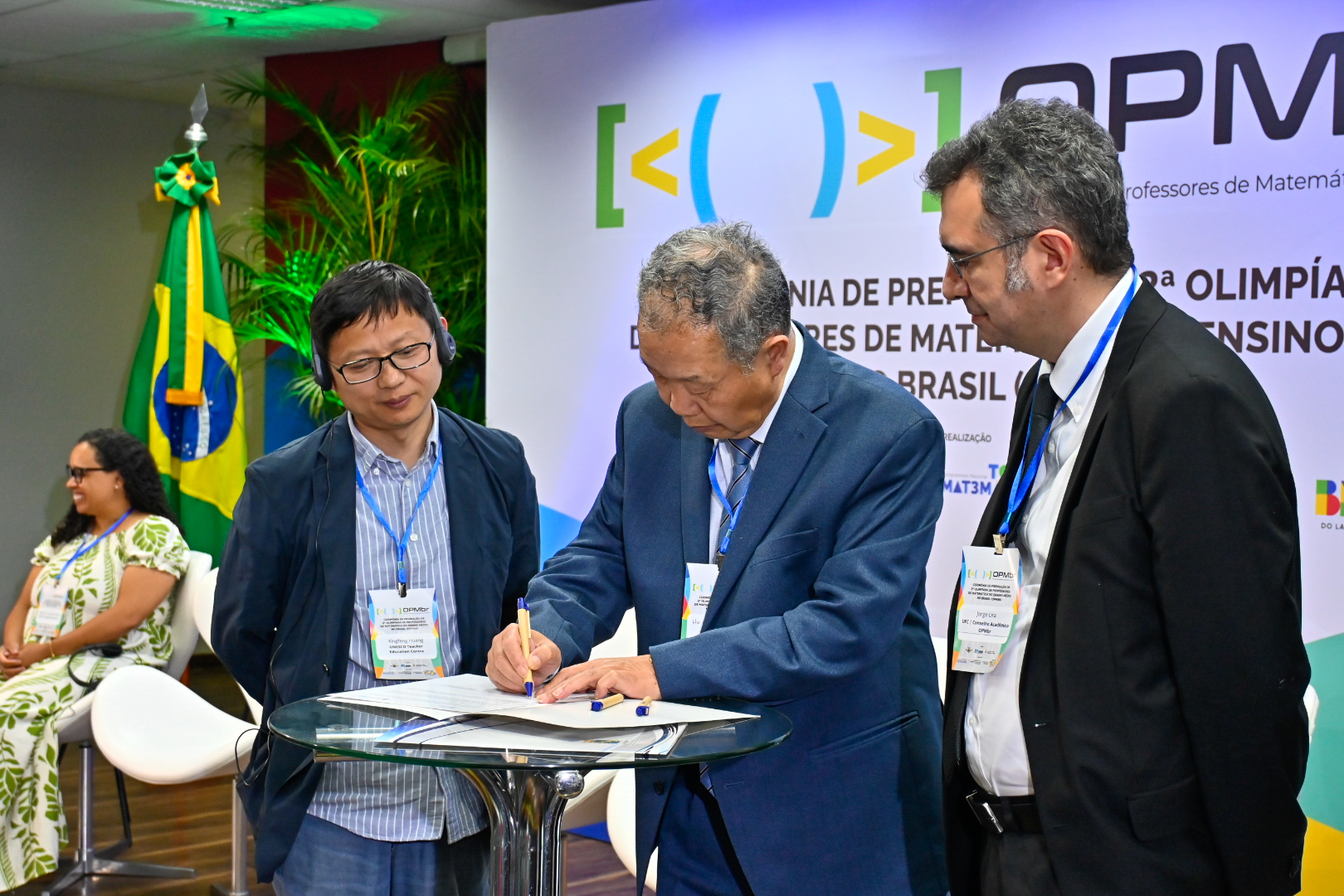
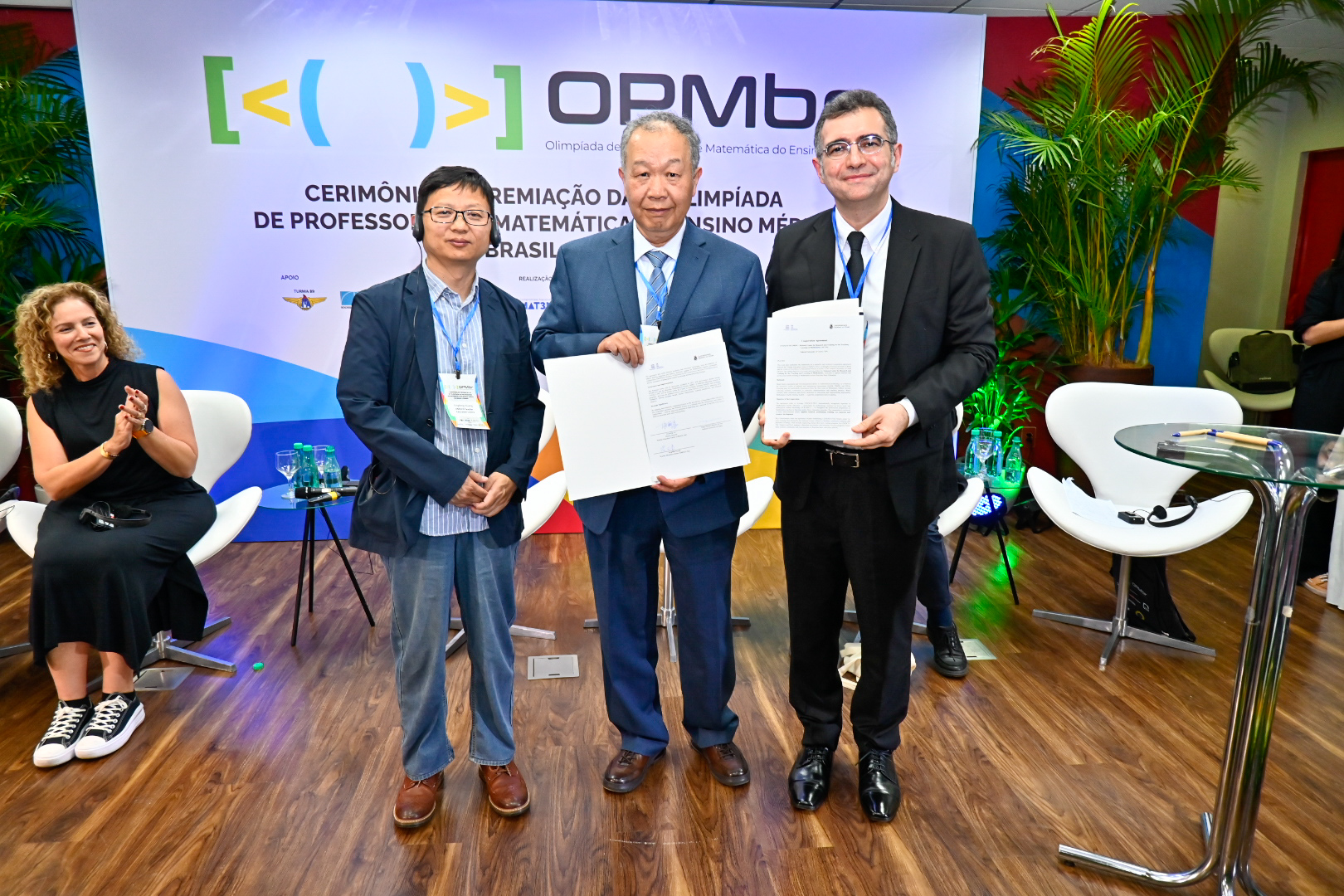
After the session, Professor Hu Guoyong and Professor Huang Xingfeng, together with Brazilian representative Professor Jorge Lira, signed a Letter of Intent on cooperation in mathematics education. The agreement outlines initial collaboration on jointly establishing a “National Center for Research and Training for the Teaching and Learning of Mathematics” in Brazil, as well as cooperation in teacher training, joint research, and resource development.
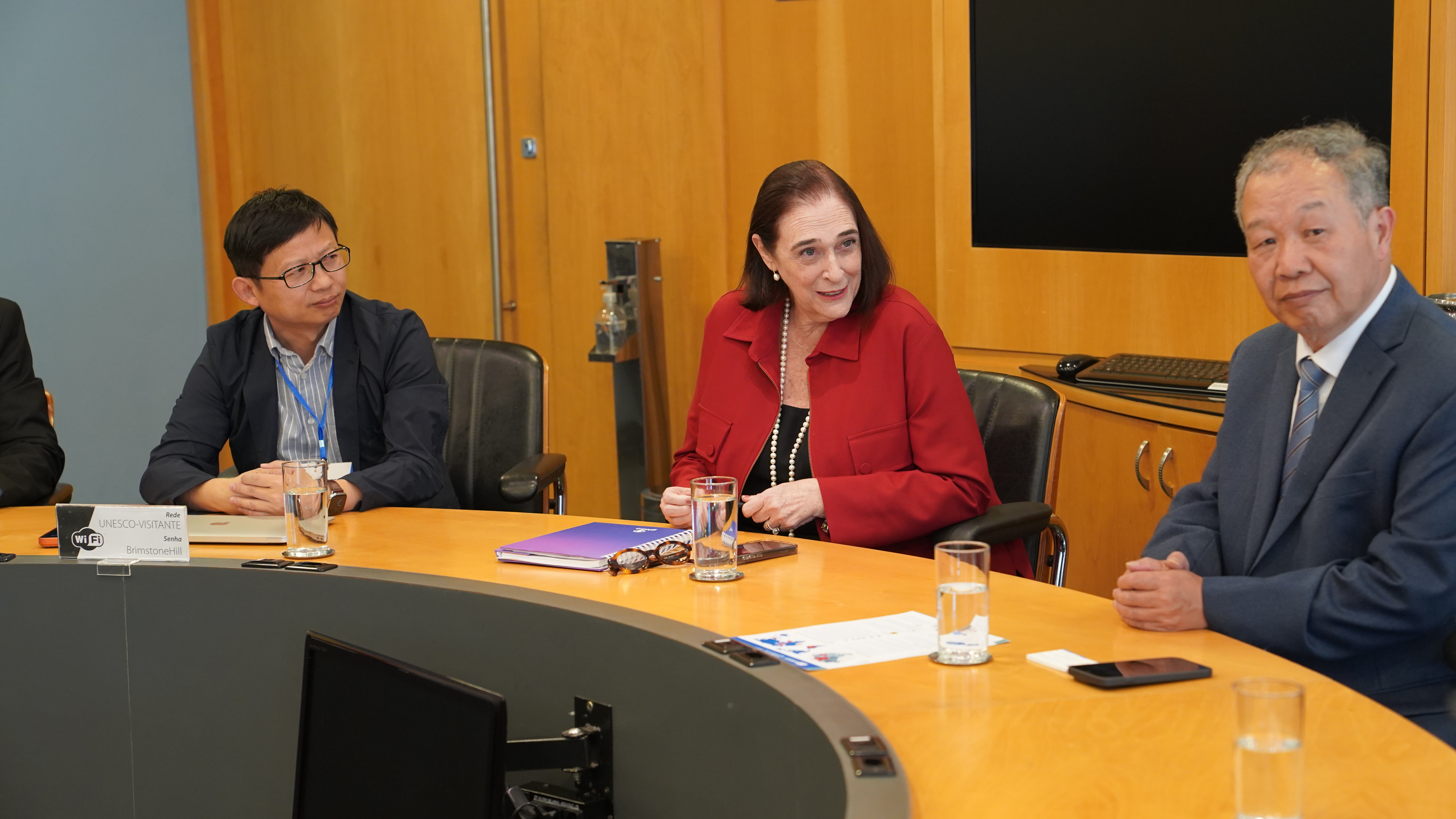
During the visit, at the invitation of Maria Rebeca Otero Gomes, Coordinator of the Education Unit at UNESCO Brazil, the delegation visited the UNESCO Office in Brazil and held a meeting with its Director, Marlova Jovchelovitch Noleto. Director Noleto highly praised UNESCO-TEC for its global influence in teacher education and its achievements in international cooperation and capacity building. She expressed strong support for future collaboration with Brazil’s Ministry of Education and confirmed her participation in upcoming international events to be held in Shanghai.
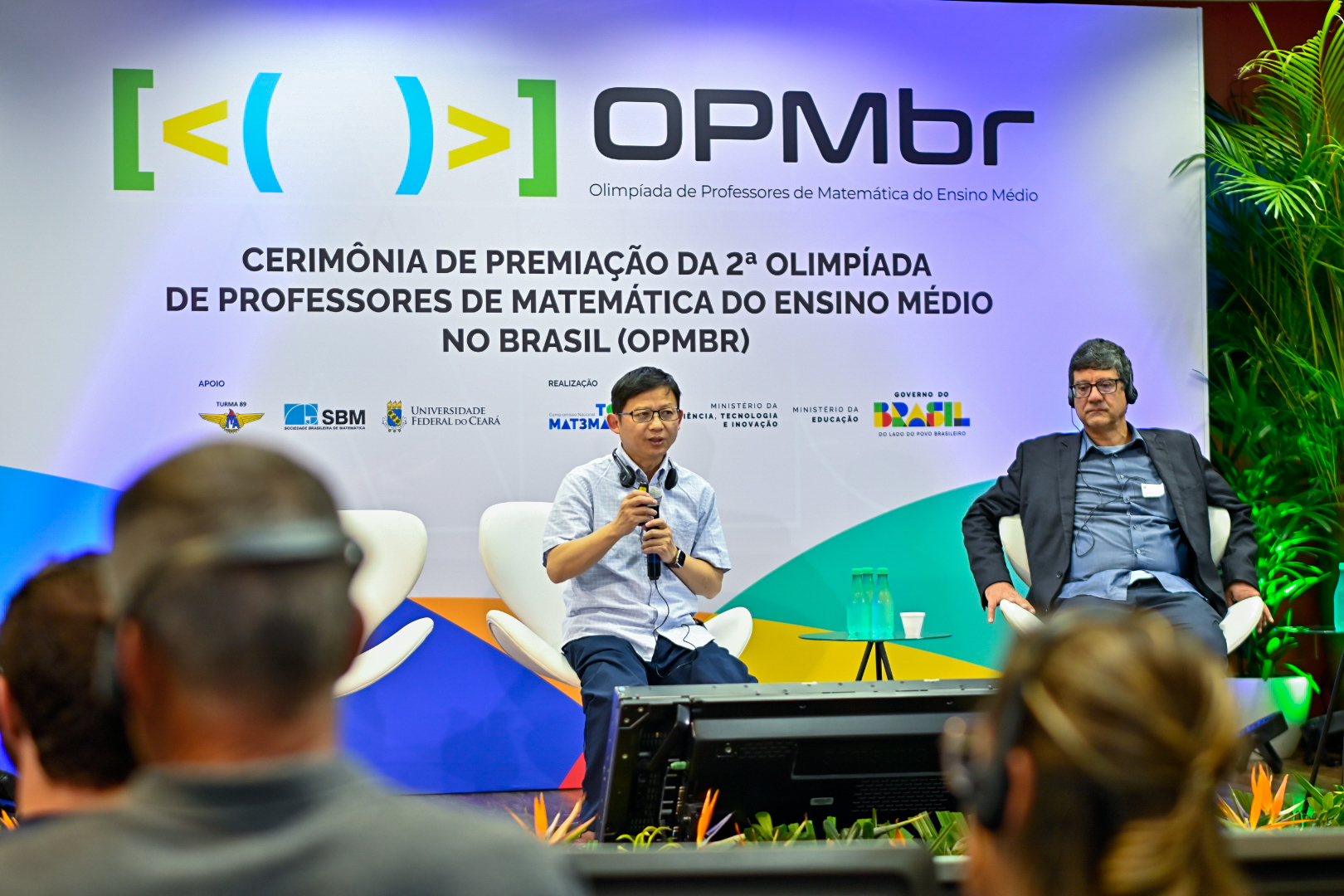
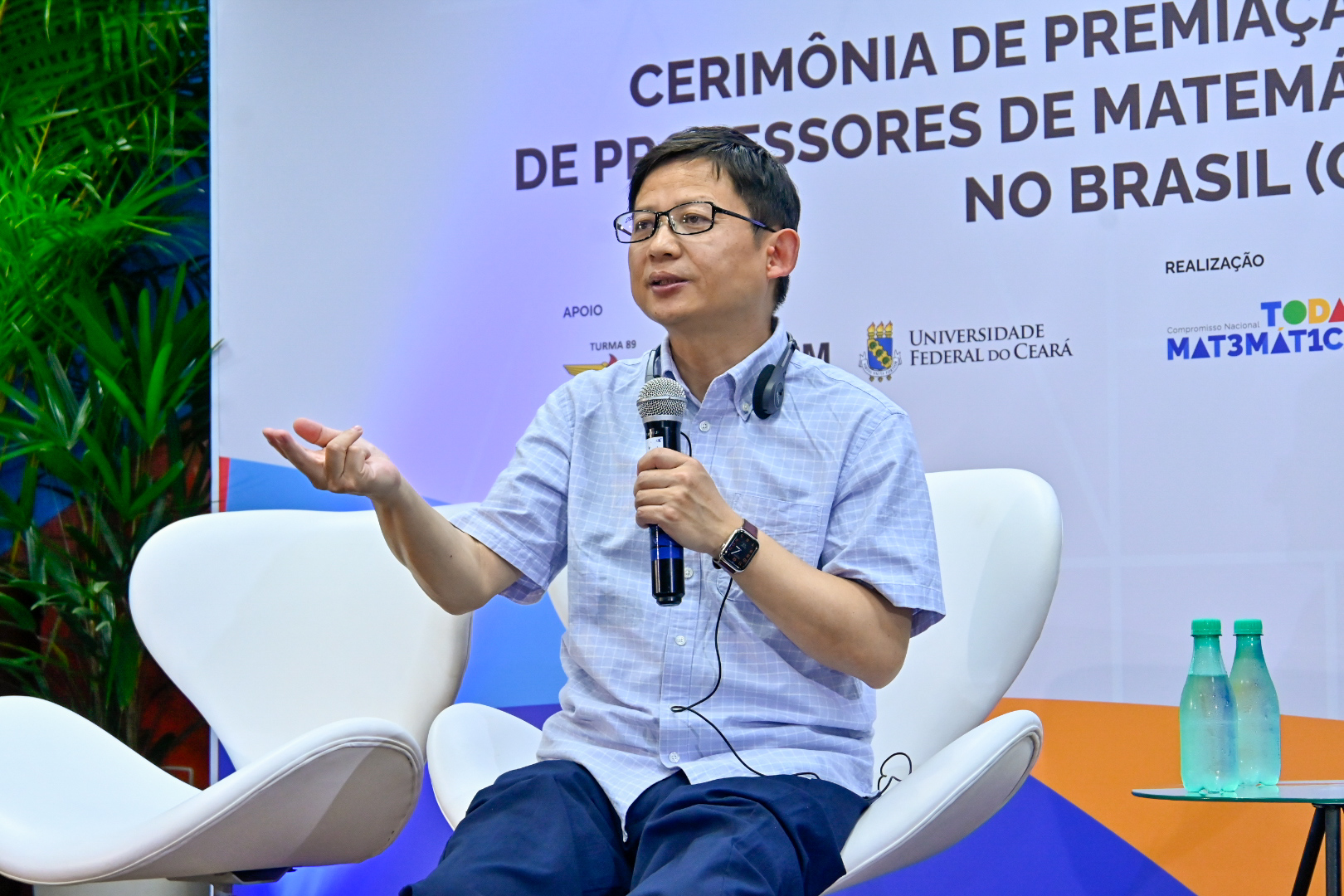
At a subsequent seminar, Professor Xingfeng Huang provided a systematic introduction to Shanghai’s mathematics education for the Brazilian Gold Medal teachers preparing to participate in the programme. His presentation covered curriculum reform oriented toward key competencies, distinctive features of mathematics classroom teaching in China, and the teacher professional development system centered on Teaching Research Groups. He also introduced the overall arrangements of the training programme.
This visit further strengthened cooperation between China and Brazil in mathematics education and teacher professional development, expanded UNESCO-TEC’s collaboration network in Latin America, and laid a solid foundation for advancing international exchange and innovation in teacher education.